
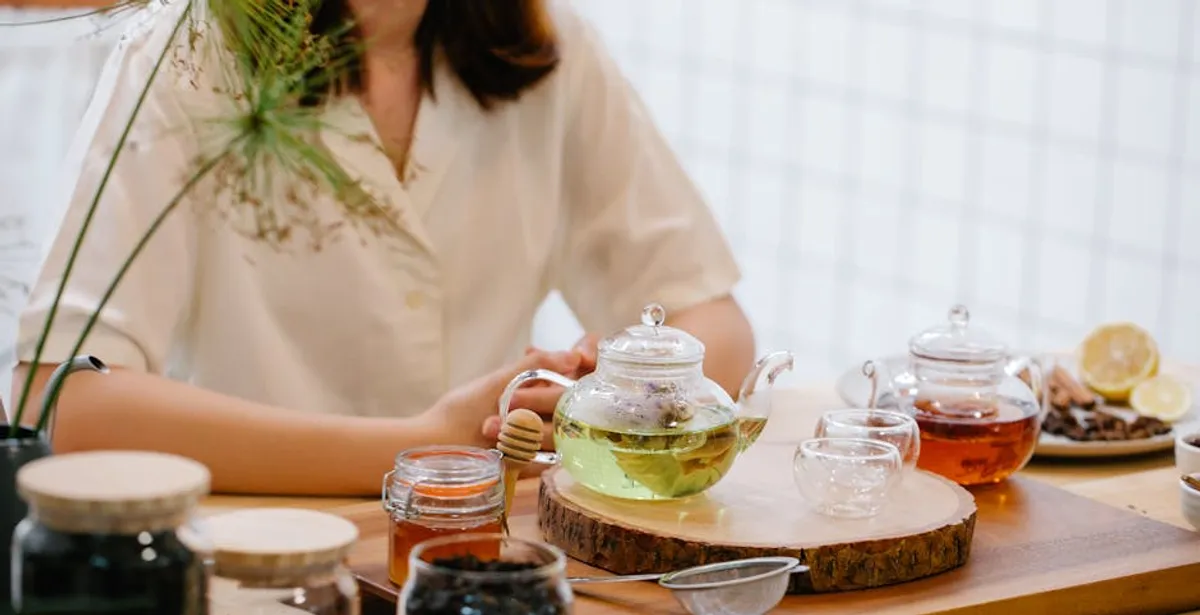
Selecting an herbal tea for relaxation involves more than just choosing a pleasant flavor; it requires understanding specific botanical properties, desired effects, and individual physiological responses. The efficacy of herbal teas in promoting calm, reducing stress, or aiding sleep stems from various bioactive compounds that interact with the body’s nervous system. This guide evaluates a range of popular herbal teas, detailing their mechanisms, optimal applications, and considerations for effective use. Beyond tea, exploring holistic stress relief techniques can further enhance your journey toward inner peace.
How to Select the Right Herbal Tea for Relaxation
Identifying the most suitable herbal tea for your relaxation needs involves considering several factors beyond taste. Evaluate the primary benefit you seek—be it mild daily stress reduction, acute anxiety relief, or a potent sleep aid. Research the active compounds within each herb and their known effects on neurotransmitters or physiological processes. Consider potential interactions with medications or existing health conditions. Finally, assess the tea's flavor profile; consistent consumption is more likely if the taste is agreeable. Prioritize organic and sustainably sourced options to minimize exposure to pesticides and ensure product integrity.
1. Chamomile
Chamomile, derived from the dried flowers of Matricaria recutita or Chamaemelum nobile, is a widely recognized herbal tea for its mild sedative and anxiolytic properties. Its primary active compound, apigenin, binds to benzodiazepine receptors in the brain, similar to some anti-anxiety medications, but with a much gentler effect. This interaction helps to decrease central nervous system activity, promoting a state of calm. Chamomile also possesses anti-inflammatory and antispasmodic qualities, which can indirectly aid relaxation by soothing digestive discomfort.
Best for: Gentle daily stress reduction, pre-sleep ritual, easing mild anxiety, soothing digestive upset.
Pros:
- Well-tolerated with a low risk of side effects for most individuals.
- Widely available and affordable.
- Pleasant, slightly sweet, floral taste.
- Effective for mild insomnia and general nervousness.
Cons:
- Can cause allergic reactions in individuals sensitive to ragweed, marigolds, or chrysanthemums.
- Less effective for severe anxiety disorders or chronic, significant insomnia.
- May interact with blood-thinning medications due to coumarin content, though typically in very high doses.
Verdict: Chamomile remains a foundational choice for foundational relaxation and sleep support, particularly for those seeking a mild, non-habit-forming aid. Its broad accessibility and established safety profile make it a reliable starting point.
2. Valerian Root
Valerian root (Valeriana officinalis) is a potent herbal sedative, historically used for insomnia, anxiety, and restlessness. Its efficacy is attributed to several compounds, including valerenic acid and iridoids, which are believed to increase the availability of gamma-aminobutyric acid (GABA) in the brain. GABA is a neurotransmitter that inhibits nerve activity, leading to a calming effect. Unlike chamomile, valerian root often induces more noticeable drowsiness, positioning it as a stronger aid for sleep disturbances.
Best for: Moderate to severe insomnia, acute anxiety, reducing sleep latency, muscle relaxation.
Pros:
- Significant sedative effects, often comparable to mild pharmaceutical sleep aids.
- Non-addictive when used appropriately.
- Can improve sleep quality and reduce nighttime awakenings.
Cons:
- Distinctive, often described as an earthy or "sweaty socks" aroma and taste, which many find unpalatable.
- Can cause morning grogginess or headache in some users.
- Not recommended for long-term continuous use without professional guidance.
- Potential interactions with sedatives, alcohol, and certain medications.
Verdict: Valerian root is a powerful option for individuals struggling with significant sleep issues or acute anxiety, provided they can tolerate its strong flavor. Its efficacy is higher than milder teas, but requires careful consideration of its more pronounced sedative effects and potential interactions.
3. Lemon Balm
Lemon balm (Melissa officinalis) is a member of the mint family, known for its pleasant citrusy aroma and mild sedative properties. Its anxiolytic effects are primarily linked to rosmarinic acid, which is thought to inhibit the enzyme GABA transaminase, thereby increasing GABA levels in the brain. This mechanism contributes to its ability to reduce anxiety, improve mood, and promote restful sleep without significant drowsiness. Lemon balm also possesses antiviral and antioxidant properties.
Best for: Mild anxiety, improving mood, cognitive enhancement (focus), promoting restful sleep without heavy sedation.
Pros:
- Pleasant, refreshing lemon flavor.
- Gentle calming effect, suitable for daytime use.
- May improve cognitive function and alertness in addition to reducing stress.
- Generally safe with few reported side effects.
Cons:
- Effects are typically mild, making it less suitable for severe anxiety or chronic insomnia.
- High doses might cause increased anxiety or nausea in sensitive individuals.
- Can potentially interact with thyroid medications by inhibiting thyroid hormone absorption, though clinical significance is debated.
Verdict: Lemon balm offers a well-rounded approach to relaxation, providing mood elevation and mild anxiolytic benefits with an agreeable taste. It is an excellent choice for those seeking gentle daily support for stress and cognitive clarity.
4. Passionflower
Passionflower (Passiflora incarnata) is recognized for its ability to alleviate anxiety and improve sleep quality. Research suggests that its active compounds, including flavonoids and alkaloids, may increase GABA levels in the brain, similar to valerian root and lemon balm, leading to a calming effect. It acts as a mild sedative and anxiolytic, often used for generalized anxiety disorder and sleep disturbances, particularly when restlessness and agitation are present.
Best for: Moderate anxiety, restlessness, nervous tension, improving sleep onset and quality.
Pros:
- Effective for reducing anxiety and nervous agitation.
- Generally considered safe for short-term use.
- Does not typically cause significant morning grogginess.
- Can be combined with other herbs like chamomile or valerian for enhanced effects.
Cons:
- May cause drowsiness, dizziness, or confusion in some individuals.
- Potential interactions with sedatives, antidepressants, and blood thinners.
- Not recommended during pregnancy or breastfeeding.
Verdict: Passionflower provides a reliable option for individuals experiencing anxiety with associated restlessness. Its ability to gently sedate without heavy grogginess makes it suitable for managing daytime anxiety while still supporting nighttime sleep.
5. Lavender
Lavender (Lavandula angustifolia) is primarily known for its aromatic properties, but its tea form also offers significant relaxation benefits. The essential oils in lavender, particularly linalool and linalyl acetate, are thought to interact with GABA receptors and serotonin pathways in the brain, inducing calming effects. While widely used in aromatherapy for stress and sleep, consuming lavender as a tea provides a systemic delivery of these compounds, contributing to reduced anxiety and improved sleep quality.
Best for: Stress reduction, mild anxiety, improving sleep quality, aromatic relaxation.
Pros:
- Pleasant, distinctive floral aroma and taste.
- Effective for reducing nervous tension and promoting a sense of calm.
- Can improve sleep quality and reduce the need for stronger sedatives.
- Widely available and generally safe.
Cons:
- Some individuals may find the floral taste overpowering or unpleasant.
- Effects can be subtle for severe conditions, more suited for mild to moderate stress.
- Rarely, can cause digestive upset or allergic reactions.
Verdict: Lavender tea is an excellent choice for those who appreciate its distinct aroma and seek a gentle, sensory-rich method of stress relief and sleep enhancement. Its dual action through aroma and ingestion provides a holistic calming experience.
6. Holy Basil (Tulsi)
Holy Basil, or Tulsi (Ocimum sanctum), is an adaptogenic herb revered in Ayurvedic medicine for its ability to help the body adapt to stress. Its active compounds, including eugenol, rosmarinic acid, and various flavonoids, modulate stress hormones like cortisol, thereby reducing the physiological impact of stress. Tulsi does not typically induce drowsiness but rather promotes a balanced state of calm and mental clarity, making it suitable for both daytime and nighttime use.
Best for: Chronic stress management, mental clarity, immune support, general well-being, adaptogenic benefits.
Pros:
- Adaptogenic properties help the body cope with various stressors.
- Promotes calm without sedation, suitable for daytime consumption.
- Supports immune function and reduces inflammation.
- Unique, slightly spicy, aromatic flavor.
Cons:
- Not a direct sedative, so less effective for acute insomnia.
- May have mild blood-thinning effects, requiring caution with anticoagulants.
- Can potentially lower blood sugar, requiring monitoring for diabetics.
Verdict: Holy Basil offers a unique approach to relaxation by strengthening the body’s resilience to stress rather than simply sedating. It is ideal for individuals seeking long-term stress management and overall vitality, making it a valuable addition to a daily wellness routine.
7. Peppermint
Peppermint (Mentha piperita) is primarily known for its digestive benefits, but its tea also offers mild relaxation. The menthol in peppermint acts as a muscle relaxant, which can alleviate tension headaches and soothe stomach cramps often associated with stress and anxiety. While not a direct sedative, the calming effect on the digestive system and the refreshing aroma can contribute to overall relaxation and comfort, indirectly reducing stress.
Best for: Stress-related digestive issues, tension headaches, mild anxiety, refreshing calm.
Pros:
- Excellent for soothing digestive discomfort like bloating and indigestion.
- Refreshing and invigorating aroma and taste.
- Can help alleviate tension headaches.
- Caffeine-free and widely available.
Cons:
- Not a primary sedative, so its direct impact on sleep or severe anxiety is limited.
- Can exacerbate acid reflux or GERD symptoms in some individuals.
- Less effective for deep relaxation compared to other specialized herbs.
Verdict: Peppermint tea serves as an effective relaxation aid when stress manifests as physical tension or digestive upset. Its refreshing qualities make it a good choice for a pick-me-up that also gently calms the body.
8. Spearmint
Spearmint (Mentha spicata) is a milder cousin to peppermint, offering similar digestive and calming benefits without the intense menthol kick. Its gentler flavor profile makes it more palatable for some, and it still contains compounds that can soothe the stomach and reduce general restlessness. While not a strong sedative, its ability to ease mild discomfort and provide a pleasant sensory experience contributes to a state of relaxation, making it suitable for winding down.
Best for: Mild digestive upset, gentle daily relaxation, a refreshing caffeine-free beverage, those sensitive to peppermint's intensity.
Pros:
- Milder, sweeter flavor than peppermint, appealing to a broader palate.
- Helps soothe digestive issues and reduces bloating.
- Naturally caffeine-free and refreshing.
- Generally safe for regular consumption.
Cons:
- Relaxation effects are very mild and indirect, primarily through physical comfort.
- Not suitable for significant anxiety or insomnia.
- Less potent in menthol, so less effective for strong tension headaches than peppermint.
Verdict: Spearmint tea is an excellent choice for a light, refreshing beverage that subtly contributes to relaxation by easing minor physical discomforts and providing a pleasant sensory experience. It's a good alternative for those who find peppermint too strong.
9. Rooibos
Rooibos (Aspalathus linearis), also known as red bush tea, is a caffeine-free herbal tea native to South Africa. While not a direct sedative, rooibos contains antioxidants like aspalathin and nothofagin, which can reduce oxidative stress and inflammation, indirectly contributing to overall well-being and a calmer state. Its lack of caffeine makes it an ideal evening beverage, and its mild, naturally sweet flavor can be comforting, aiding in the winding-down process before sleep.
Best for: Caffeine-free evening beverage, antioxidant support, mild general well-being, those sensitive to tannins.
Pros:
- Completely caffeine-free, ideal for evening consumption.
- Rich in antioxidants, promoting overall health.
- Naturally sweet and mild flavor, no bitterness.
- Low in tannins, so it doesn't interfere with iron absorption and is gentle on the stomach.
Cons:
- Does not possess direct sedative or anxiolytic properties.
- Relaxation benefits are indirect, primarily from avoiding stimulants and promoting general health.
- Less effective for acute stress or insomnia compared to targeted herbal sedatives.
Verdict: Rooibos is a superb choice for a health-conscious, caffeine-free beverage that supports relaxation by promoting general well-being and avoiding stimulant intake. It's a comforting ritual that indirectly aids in stress reduction.
10. Linden Flower
Linden flower (Tilia cordata or Tilia platyphyllos) tea is derived from the blossoms of the linden tree, known for its mild sedative, antispasmodic, and diuretic properties. Its calming effects are attributed to flavonoids, mucilage, and essential oils, which are thought to act on the nervous system to reduce anxiety and promote sleep. It is traditionally used in European folk medicine for nervous tension, insomnia, and cold symptoms.
Best for: Mild nervous tension, promoting restful sleep, soothing coughs and colds, general calming.
Pros:
- Gentle sedative effect, suitable for mild anxiety and restlessness.
- Pleasant, sweet, and slightly floral taste.
- Also beneficial for respiratory issues, making it versatile.
- Generally safe for most individuals.
Cons:
- Effects are mild, not suitable for severe anxiety or chronic insomnia.
- Can cause allergic reactions in individuals sensitive to pollen.
- Excessive consumption may rarely lead to cardiac damage, though this is primarily linked to very high, prolonged doses.
Verdict: Linden flower tea offers a gentle and pleasant pathway to relaxation, particularly effective for nervous tension and as a mild sleep aid. Its dual benefits for both calming and respiratory comfort make it a valuable option for holistic well-being.
11. Oat Straw
Oat straw (Avena sativa) is derived from the green tops of the oat plant, harvested before the grain ripens. It is considered a nervine tonic, meaning it nourishes and strengthens the nervous system over time rather than providing immediate sedation. Rich in B vitamins, calcium, and magnesium, oat straw helps to soothe frayed nerves, reduce nervous exhaustion, and support overall neurological health, indirectly contributing to sustained relaxation and resilience to stress.
Best for: Long-term nervous system support, chronic stress, nervous exhaustion, general restorative tonic.
Pros:
- Nourishes the nervous system for sustained calming effects.
- Rich in essential vitamins and minerals.
- Does not cause drowsiness, suitable for daytime use.
- Generally safe and well-tolerated for long-term consumption.
Cons:
- Effects are gradual and cumulative, not an acute sedative.
- Less effective for immediate relief of severe anxiety or insomnia.
- Flavor is mild and sometimes described as grassy, which may not appeal to all.
Verdict: Oat straw is an excellent choice for individuals seeking to build resilience against stress and support nervous system health over the long term. It functions as a restorative tonic rather than a quick fix, making it a foundational element for sustained calm.
12. Decaffeinated Green Tea
While regular green tea contains caffeine, decaffeinated green tea offers the benefits of L-Theanine without the stimulant effects. L-Theanine is an amino acid unique to tea, known for its ability to promote a state of "alert calm" by increasing alpha brain wave activity, which is associated with relaxation and focus. It can also influence neurotransmitters like GABA, serotonin, and dopamine. Decaffeinated green tea provides a mild, sustained sense of calm, making it suitable for relaxation without inducing drowsiness.
Best for: Focused calm, stress reduction without sedation, cognitive enhancement, antioxidant benefits.
Pros:
- Contains L-Theanine, promoting relaxation and focus without drowsiness.
- Rich in antioxidants (catechins) for overall health.
- Pleasant, earthy flavor.
- Offers cognitive benefits alongside calming effects.
Cons:
- Decaffeination processes can sometimes reduce other beneficial compounds.
- Not a strong sedative for severe insomnia.
- Some individuals may still be sensitive to trace amounts of caffeine if not fully decaffeinated.
Verdict: Decaffeinated green tea is a unique option for those who desire a calm, focused state rather than outright sedation. Its L-Theanine content makes it particularly valuable for reducing stress while maintaining mental clarity, ideal for daytime use or evening winding down.
Choosing the Right Herbal Tea for Your Needs
The effectiveness of herbal teas for relaxation is highly individual. To determine the best fit, consider starting with a single herb to isolate its effects, observing how your body responds. Pay attention to the timing of consumption—some teas are best in the evening, while others support daytime calm. Consistency is key for many adaptogenic or nervine tonic teas, where benefits accumulate over time. Always source high-quality, organic herbs to ensure potency and purity. If you are pregnant, breastfeeding, taking medications, or have underlying health conditions, consult a healthcare professional before incorporating new herbal teas into your routine to avoid potential interactions or adverse effects.
Frequently Asked Questions
Are herbal relaxation teas safe for daily consumption?
Most herbal relaxation teas, particularly chamomile, lemon balm, rooibos, and peppermint, are generally considered safe for daily consumption for healthy individuals. However, potent herbs like valerian root should be used with caution and often for shorter durations or under professional guidance. Always observe your body's response and consult a healthcare provider if you have concerns.
How long does it take for herbal teas to work for relaxation?
The onset of effects varies significantly by herb and individual. Mild teas like chamomile or lavender may produce noticeable calming effects within 20-30 minutes. More potent sedatives like valerian root might take 30-60 minutes. For adaptogenic herbs like holy basil or nervine tonics like oat straw, consistent daily use over several weeks is often required to experience their full benefits.
Can herbal teas interact with medications?
Yes, certain herbal teas can interact with prescription medications. For example, valerian root and passionflower can intensify the effects of sedatives or antidepressants. Holy basil may affect blood sugar or blood thinners. St. John's Wort, while not typically a tea, is known for numerous drug interactions. Always disclose your herbal supplement use to your healthcare provider to prevent adverse interactions.
Are there any side effects to watch out for?
While generally safe, some individuals may experience mild side effects. These can include allergic reactions (especially for those sensitive to ragweed with chamomile), digestive upset (e.g., peppermint for GERD), or morning grogginess (valerian root). If you experience any unusual or adverse symptoms, discontinue use and consult a medical professional.
What is the best way to brew herbal teas for maximum effect?
For most herbal teas, use fresh, filtered hot water (just below boiling for delicate flowers, boiling for roots and barks). Steep flowers and leaves for 5-10 minutes, and roots or barks for 10-15 minutes, often covered to retain volatile oils. Using a tea infuser or French press allows for optimal extraction. Adjust steeping time to personal preference for strength and flavor.