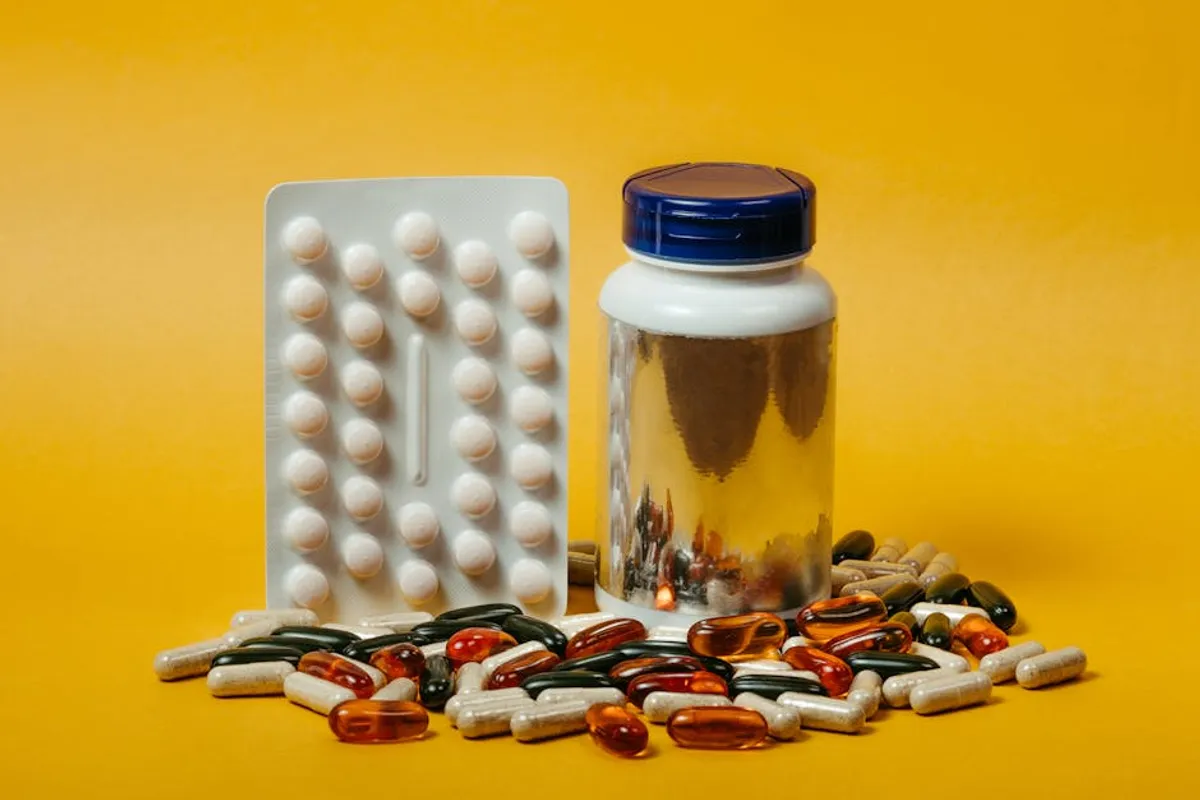
The supplement aisle presents a complex landscape for consumers seeking weight loss solutions. Labels, often dense with information and marketing claims, require careful interpretation to distinguish effective products from those with questionable value or potential risks. Understanding how to systematically read a supplement label is a critical skill for making informed purchasing decisions, moving beyond front-of-package marketing to the actual composition and safety information. Understanding how to systematically read a supplement label is a critical skill for making informed purchasing decisions, which is key when you how to choose safe weight loss supplements.
Deconstructing the Supplement Facts Panel
The "Supplement Facts" panel is the most crucial section on any product label. It provides a standardized breakdown of the product's contents, similar to the "Nutrition Facts" panel on food items. This panel details serving size, the number of servings per container, and the specific ingredients along with their quantities.
Serving Size and Servings Per Container
Begin by identifying the "Serving Size." This indicates the amount of the supplement (e.g., two capsules, one scoop) that corresponds to the listed ingredient quantities. Immediately following this is "Servings Per Container," which tells you how many doses are in the entire package. Misinterpreting these figures can lead to incorrect dosing or an inaccurate assessment of the product's actual cost per serving.
Calories, Macronutrients, and Micronutrients
While weight loss supplements primarily focus on active compounds, some products, particularly meal replacements or protein-based formulas, will list calories, total fat, carbohydrates, and protein. For traditional weight loss aids, these values are often negligible. More importantly, the panel will detail vitamins and minerals (e.g., Vitamin B6, Chromium) and their amounts, usually as a percentage of the Daily Value (%DV). This allows for cross-referencing with other dietary intake to avoid excessive consumption.
Other Ingredients and Active Compounds
Below the standard nutrient list, the "Supplement Facts" panel will itemize other ingredients. This is where the specific weight loss compounds are typically found. Ingredients are generally listed in descending order by weight, though this rule becomes less clear in proprietary blends. For individual ingredients, look for specific dosages (e.g., 500mg Green Tea Extract). These precise amounts are essential for comparing products and evaluating efficacy based on scientific literature. This is where the specific weight loss compounds are typically found, helping you understand the weight loss supplements benefits, limits, and safety.
Navigating Proprietary Blends and Key Ingredients
Many weight loss supplements feature "proprietary blends." These are mixtures of several ingredients where the total weight of the blend is provided, but the individual amounts of each ingredient within that blend are not disclosed. This practice complicates the assessment of a product's true value.
Identifying Active Compounds
Focus on ingredients with established research supporting their role in weight management. Common examples include caffeine, green tea extract (standardized for EGCG), conjugated linoleic acid (CLA), glucomannan, and L-carnitine. Researching the specific form and dosage of these compounds is critical, as efficacy can vary significantly based on these factors. For instance, a "Green Tea Extract" label is less informative than "Green Tea Extract (standardized to 45% EGCG)."
Pro Tip: When a "proprietary blend" is listed, individual ingredient amounts are not disclosed. This can obscure the actual concentration of active compounds, making it difficult to assess efficacy or potential side effects. Prioritize products that list specific ingredient dosages for transparent evaluation.
The Proprietary Blend Challenge
Proprietary blends make it impossible to know if the product contains therapeutically effective doses of each ingredient. A blend might contain a large amount of an inexpensive, less effective ingredient and only trace amounts of the more potent, expensive components. This lack of transparency makes it challenging to verify claims or compare products accurately. Consumers should exercise caution with such blends and ideally seek products that fully disclose all ingredient quantities.
Understanding Dosage, Usage, and Warnings
Beyond the ingredient list, labels provide vital instructions and safety information that directly impact product effectiveness and user safety.
Recommended Use and Timing
The "Suggested Use" or "Directions" section outlines how and when to take the supplement. This includes the number of capsules or scoops per serving, frequency (e.g., "take once daily," "take with meals"), and timing (e.g., "30 minutes before exercise"). Adhering to these instructions is crucial for achieving intended results and minimizing adverse effects. Deviating from recommended usage, particularly by increasing dosage, can lead to health risks without enhancing benefits.
Allergens, Contraindications, and Side Effects
Look for explicit warnings regarding allergens (e.g., "Contains soy," "Manufactured in a facility that also processes milk, egg, tree nuts"). Additionally, labels should list potential contraindications, such as "Not for use by individuals under 18," "Consult a physician if pregnant or nursing," or "Do not exceed recommended dose." Side effects, even minor ones like digestive upset from fiber, may also be noted. This information is critical for personal safety and avoiding interactions with medications or pre-existing health conditions.
Verifying Quality: Certifications and Third-Party Testing
The presence of certain seals or statements on a label can indicate a product's adherence to quality standards, offering an extra layer of assurance beyond manufacturer claims.
Recognizing Reputable Seals
Look for seals from independent third-party certification bodies. These organizations test products for purity, potency, and absence of contaminants (e.g., heavy metals, banned substances). Examples of such certifications often include statements like "NSF Certified," "USP Verified," or "Informed-Sport." These seals signify that the product has been voluntarily submitted for external scrutiny and meets specific quality benchmarks.
Why Third-Party Verification Matters
Third-party testing provides an unbiased confirmation that what's on the label is actually in the bottle, and in the stated amounts. It also helps ensure the product is free from harmful contaminants or undeclared ingredients. In an industry with varying regulatory oversight, these certifications are a strong indicator of a manufacturer's commitment to quality and transparency, offering a commercial advantage through consumer trust.
Here’s a concise label-reading checklist:
- Verify the serving size and total servings per container.
- Examine the "Other Ingredients" section for active compounds and their specific dosages.
- Be wary of proprietary blends that do not disclose individual ingredient amounts.
- Adhere strictly to "Suggested Use" instructions regarding dosage and timing.
- Review all warnings, allergen statements, and contraindications.
- Seek out reputable third-party certifications (e.g., NSF, USP) for quality assurance.
- Research unfamiliar ingredients to understand their purpose and scientific backing.
Making Informed Decisions
Approaching weight loss supplement labels with a critical, systematic eye empowers consumers to make choices based on facts rather than marketing hype. By focusing on ingredient transparency, verified dosages, and third-party quality assurances, individuals can better assess product efficacy and safety. This diligent approach not only protects health but also ensures that investment in supplements is directed towards products with a genuine potential to support weight management goals.
Frequently Asked Questions
What is the most important section to check on a weight loss supplement label?
The "Supplement Facts" panel is the most critical, as it details serving size, active ingredients, and their specific quantities, providing the factual basis for evaluating the product.
How can I tell if a weight loss ingredient listed on the label is effective?
After identifying the ingredient and its dosage, research it through reputable scientific sources. Look for human clinical trials that support its efficacy for weight loss at the dosage provided on the label.
Should I be concerned about "proprietary blends" on supplement labels?
Yes, proprietary blends are a concern because they do not disclose the individual amounts of each ingredient. This lack of transparency makes it impossible to verify if the product contains therapeutically effective doses of its active components, potentially masking low-potency formulations.
What do third-party certifications like "NSF Certified" or "USP Verified" signify?
These certifications indicate that an independent organization has tested the product to confirm it contains the ingredients listed on the label in the stated amounts, is free from harmful contaminants, and meets specific quality and manufacturing standards.