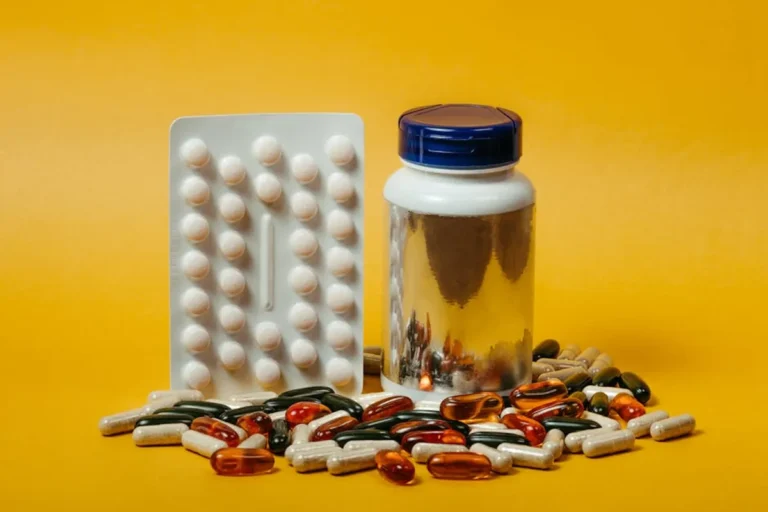

Navigating the crowded market of weight loss supplements demands a critical approach to ensure both safety and efficacy. With countless products promising rapid results, discerning which options are genuinely beneficial and free from harmful risks requires careful evaluation. This guide outlines the essential criteria for selecting supplements that align with health standards and individual needs, moving beyond marketing claims to focus on verifiable facts.
Understanding the Supplement Landscape
The weight loss supplement category encompasses a wide array of products, each purporting to aid weight reduction through different mechanisms. These can include fat burners, appetite suppressants, metabolism boosters, and carbohydrate blockers. Unlike prescription medications, dietary supplements do not undergo pre-market approval by regulatory bodies like the Food and Drug Administration (FDA) in the United States. This distinction means manufacturers are responsible for the safety and labeling of their products before they enter the market, rather than needing government clearance. Consequently, the onus falls heavily on the consumer to verify product claims and ingredient safety.
Key Factors for Evaluating Safety
Ingredient Scrutiny: What to Look For (and Avoid)
The foundation of a safe weight loss supplement lies in its ingredient list. Prioritize products with clearly stated ingredients and dosages, allowing for informed research into their effects and potential side effects. Look for ingredients backed by scientific research, such as:
- Green Tea Extract (EGCG): Known for thermogenic properties and antioxidant benefits, often supported by studies on metabolism.
- Caffeine: A stimulant that can increase metabolism and fat oxidation, but dosage is critical to avoid adverse effects like jitters or sleep disruption.
- Glucomannan: A dietary fiber that promotes satiety and can help reduce calorie intake by absorbing water and expanding in the stomach.
- Conjugated Linoleic Acid (CLA): A fatty acid that may influence fat metabolism, though research results on its weight loss efficacy are varied.
Conversely, several ingredients have been associated with significant health risks and should be avoided:
- Ephedra (Ma Huang): Banned by the FDA due to serious cardiovascular risks, including heart attack and stroke.
- Sibutramine: A prescription drug withdrawn from the market due to increased risk of cardiovascular events. It sometimes appears illegally in "natural" weight loss supplements.
- DMAA (1,3-dimethylamylamine): A stimulant linked to adverse cardiovascular reactions, including heart attack and psychiatric disorders.
- Proprietary Blends: These lists often hide specific ingredient quantities, making it impossible to assess effective dosages or potential risks.
Pro Tip: Always be wary of "proprietary blends" where individual ingredient amounts are not disclosed. Without specific quantities, it is impossible to verify efficacy, identify potential allergens, or understand the full scope of potential side effects, making informed decision-making impossible.
Regulatory Oversight and Certifications
Given the FDA's post-market role, third-party certifications become crucial indicators of a supplement's quality and safety. Organizations like USP (United States Pharmacopeia), NSF International, and ConsumerLab independently test products for purity, potency, and the absence of harmful contaminants. A seal from one of these bodies signifies that the product:
Purity: Contains only the ingredients listed on the label, without undeclared substances.
Potency: Delivers the exact amount of each ingredient specified.
Contaminants: Is free from heavy metals, pesticides, and other harmful impurities.
These certifications offer an added layer of assurance beyond manufacturer claims, demonstrating a commitment to quality control and consumer safety.
Manufacturer Reputation and Transparency
Investigate the company behind the supplement. Reputable manufacturers provide clear contact information, have an accessible website, and are transparent about their sourcing and manufacturing processes. Look for:
- Detailed Product Information: Comprehensive descriptions of ingredients, dosages, and potential side effects.
- Customer Service: Accessible channels for questions or concerns.
- Positive, Balanced Reviews: While all positive reviews can be suspicious, a mix of authentic feedback (with some constructive criticism) is more credible.
- Certifications: Adherence to Good Manufacturing Practices (GMP) and third-party testing endorsements.
Avoid brands with anonymous ownership, vague product descriptions, or those that rely solely on exaggerated testimonials without scientific substantiation.
Recognizing Red Flags and Misleading Claims
The weight loss supplement market is rife with deceptive marketing. Be skeptical of products that promise:
- "Miracle Cures" or "Secret Ingredients": Rapid weight loss without diet or exercise is scientifically unrealistic and often a sign of dangerous additives.
- Extreme Weight Loss in Short Periods: Claims like "lose 30 pounds in 30 days" are medically unsound and promote unhealthy expectations.
- "All Natural" Guarantees: The term "natural" does not equate to safe or effective. Many natural substances can be toxic or interact negatively with medications.
- High-Pressure Sales Tactics: Urgency, limited-time offers, or difficulty finding product information outside of a sales page are warning signs.
Legitimate products focus on realistic expectations and support a holistic approach to weight management, rather than offering quick fixes.
Consulting Healthcare Professionals
Before incorporating any weight loss supplement into your routine, consult a doctor, registered dietitian, or pharmacist. This step is critical for several reasons:
- Health Assessment: A professional can assess your current health status, identify any underlying conditions, and determine if a supplement is safe for you.
- Medication Interactions: Supplements can interact dangerously with prescription medications, over-the-counter drugs, and other supplements. A healthcare provider can identify potential conflicts.
- Individual Suitability: What works for one person may not be suitable or safe for another, especially concerning allergies or sensitivities.
- Guidance on Efficacy: They can provide evidence-based advice on whether a particular ingredient or product has a reasonable chance of supporting your weight loss goals safely.
This professional guidance ensures that any supplement choice is a well-informed one, integrated into a broader health strategy.
Making an Informed Decision
Choosing a safe weight loss supplement is an active process of research, verification, and professional consultation. It involves scrutinizing ingredient lists for known risks and benefits, prioritizing products with robust third-party certifications, and evaluating manufacturer transparency. Remember that supplements are intended to complement, not replace, a balanced diet and regular exercise. Approaching these products with a critical eye, grounded in scientific understanding and medical advice, empowers you to make choices that genuinely support your health and weight management journey.
Frequently Asked Questions
Are natural weight loss supplements always safe?
No. The term "natural" does not guarantee safety or efficacy. Many natural substances can have potent physiological effects, interact with medications, or be toxic in certain dosages. Always research natural ingredients thoroughly and consult a healthcare professional.
How long should I take a weight loss supplement?
The duration varies by product and ingredient. Most weight loss supplements are intended for short-term use, often a few weeks to a few months. Prolonged use without medical supervision is generally not recommended due to potential side effects or diminished efficacy. Always follow product instructions and consult your doctor.
Can weight loss supplements interact with my current medications?
Yes, absolutely. Weight loss supplements, even those marketed as "natural," can interact significantly with prescription drugs, over-the-counter medications, and other dietary supplements. These interactions can reduce medication effectiveness or increase the risk of adverse side effects. Always discuss all supplements you are considering with your doctor or pharmacist.
What is the primary difference between a weight loss supplement and a prescription weight loss drug?
The main difference lies in regulation and approval. Prescription weight loss drugs undergo rigorous testing and clinical trials approved by regulatory bodies like the FDA for safety and efficacy before they can be marketed. Weight loss supplements, conversely, do not require pre-market approval; manufacturers are responsible for ensuring their products are safe and accurately labeled, but without the same level of government oversight. This distinction highlights the critical differences between weight loss supplements versus drugs, particularly concerning consumer safety and efficacy.