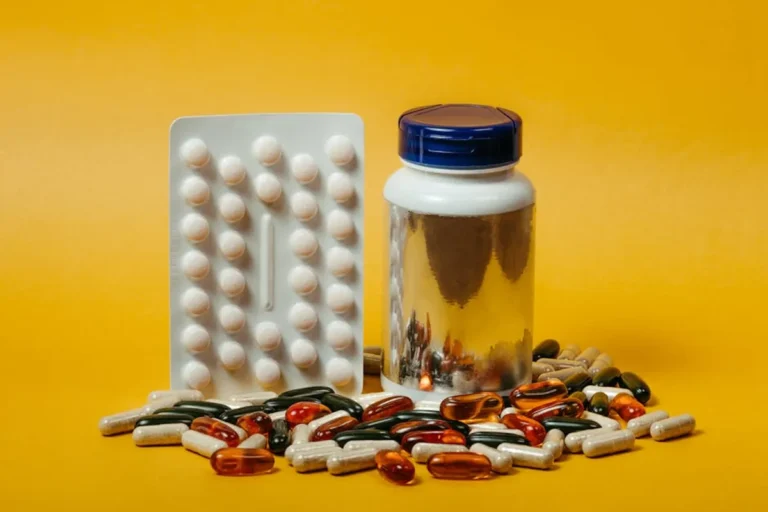

The market for weight loss supplements is substantial, driven by widespread interest in managing body weight and improving health outcomes. For individuals considering these products, understanding their potential benefits, inherent limitations, and critical safety considerations is essential. This article outlines the landscape of weight loss supplements, providing a framework for informed decision-making based on scientific understanding and practical realities.
Understanding the Potential Benefits of Weight Loss Supplements
Weight loss supplements often claim to support weight reduction through various mechanisms, which can be broadly categorized into appetite suppression, fat absorption inhibition, and metabolism boosting. Each mechanism targets a different physiological pathway involved in weight management.
- Appetite Suppression: Ingredients such as glucomannan or certain fiber compounds expand in the stomach, promoting a feeling of fullness. This can lead to a reduction in overall caloric intake by decreasing hunger signals and portion sizes. The effectiveness hinges on consistent intake and adequate hydration to facilitate the bulking effect.
- Fat Absorption Inhibition: Some supplements, like those containing chitosan, are posited to bind to dietary fats in the digestive tract, preventing their absorption and subsequent storage. The impact on total fat absorption is typically modest, and efficacy can vary significantly depending on dietary fat intake and individual digestive processes.
- Metabolism Boosting: Stimulants like caffeine, green tea extract, and capsaicin are common in formulations designed to increase metabolic rate. This can lead to a marginal increase in daily calorie expenditure. While a higher metabolic rate contributes to a caloric deficit, the effect is often temporary and can be accompanied by other physiological responses.
- Thermogenesis: Certain compounds, particularly stimulants, can induce thermogenesis, a process where the body generates heat, thereby burning more calories. This is a component of metabolism boosting, directly contributing to energy expenditure.
These mechanisms, when effective, contribute to creating a caloric deficit—the fundamental requirement for weight loss. However, the degree of impact varies widely among different ingredients and individual responses.
Acknowledging the Limits of Weight Loss Supplements
While the potential benefits exist, it is crucial to approach weight loss supplements with realistic expectations. They are not standalone solutions and their efficacy is often circumscribed by several factors.
Efficacy Variability: Scientific evidence supporting the effectiveness of many weight loss supplements is often inconsistent or limited. Studies may show modest results, and these are frequently observed in conjunction with controlled diets and exercise regimens. The impact on significant, sustained weight loss without concurrent lifestyle changes is generally minimal.
Dependency on Lifestyle Factors: Supplements are designed to complement, not replace, fundamental weight management strategies. A consistent caloric deficit achieved through dietary modifications and regular physical activity remains the primary driver of weight loss. Relying solely on supplements without addressing diet and exercise habits typically yields negligible results.
Individual Response: Genetic predispositions, existing health conditions, and individual metabolic rates can influence how a person responds to a particular supplement. What might show a slight effect in one individual may have no discernible impact on another.
Warning: The regulatory landscape for weight loss supplements is less stringent than for pharmaceutical drugs. Many products enter the market without rigorous pre-approval for efficacy or safety. This means consumers bear a greater responsibility for due diligence, scrutinizing product claims and ingredient lists for scientific backing and potential risks.
Critical Safety Considerations for Weight Loss Supplements
Safety is paramount when considering any supplement. The potential for adverse effects, drug interactions, and contamination necessitates careful evaluation.
Potential Side Effects
Ingredients commonly found in weight loss supplements can trigger a range of side effects:
- Stimulants: Caffeine, synephrine, and yohimbe can cause increased heart rate, elevated blood pressure, anxiety, insomnia, and digestive upset. Individuals with pre-existing cardiovascular conditions or anxiety disorders are particularly vulnerable.
- Laxatives and Diuretics: Some supplements include ingredients that promote bowel movements or increase urine output. While they may cause temporary weight reduction due to fluid loss, this does not equate to fat loss and can lead to dehydration and electrolyte imbalances.
- Digestive Issues: Fiber-based supplements, if not consumed with adequate water, can cause bloating, gas, and constipation. Fat blockers may lead to oily stools and nutrient malabsorption.
Drug Interactions and Contraindications
Weight loss supplements can interact with prescription medications, altering their effectiveness or increasing the risk of side effects. For example:
- Stimulants can interact with medications for heart conditions, blood pressure, or psychiatric disorders.
- Blood thinners may be affected by supplements containing ingredients like green tea extract or high doses of certain vitamins.
- Diabetic medications can be influenced by supplements that impact blood sugar levels.
Individuals with chronic health conditions (e.g., heart disease, diabetes, thyroid disorders) or those taking any prescription medications should consult a healthcare professional before considering weight loss supplements.
Lack of Regulatory Oversight and Contamination Risks
In many regions, weight loss supplements are classified as dietary supplements, meaning they are not subject to the same rigorous testing and approval processes as pharmaceutical drugs. This regulatory gap can lead to:
- Mislabeling: Products may not contain the advertised ingredients or quantities.
- Adulteration: Some supplements have been found to contain undeclared prescription drugs (e.g., sibutramine, phenolphthalein) or harmful contaminants.
- Inconsistent Quality: Manufacturing practices can vary, leading to inconsistencies in product potency and purity.
Making Informed Decisions About Weight Loss Supplements
Navigating the weight loss supplement market requires a critical approach. Prioritize transparency, scientific evidence, and professional guidance.
Consult Healthcare Professionals: Before starting any supplement regimen, consult a doctor, registered dietitian, or pharmacist. They can assess individual health status, potential risks, and interactions with existing medications.
Scrutinize Claims and Ingredients: Be skeptical of products promising rapid or effortless weight loss. Look for supplements with ingredients backed by independent, peer-reviewed scientific research, not just anecdotal evidence or company-funded studies. Understand the mechanism of action for each ingredient.
Prioritize Foundational Strategies: Recognize that supplements are auxiliary tools. Sustainable weight management is achieved through a balanced diet, regular physical activity, adequate sleep, and stress management. Any supplement should integrate into these core health practices.
Frequently Asked Questions
Can weight loss supplements replace diet and exercise?
No, weight loss supplements are not a substitute for fundamental lifestyle changes. Their effectiveness is typically modest and contingent upon adherence to a balanced diet and regular physical activity. They are designed to complement, not replace, these core strategies.
Are all natural weight loss supplements safe?
The term "natural" does not automatically equate to "safe." Many natural compounds can have potent physiological effects, leading to side effects or interactions with medications. For example, certain herbal extracts can impact liver function or blood pressure. Always research ingredients and consult a healthcare professional.
How long does it take to see results from weight loss supplements?
The timeframe for observing results, if any, varies widely depending on the specific supplement, individual metabolism, and consistency of use alongside diet and exercise. Many supplements offer only marginal benefits, and significant, sustainable weight loss typically requires a long-term commitment to lifestyle changes, not just short-term supplement use.