
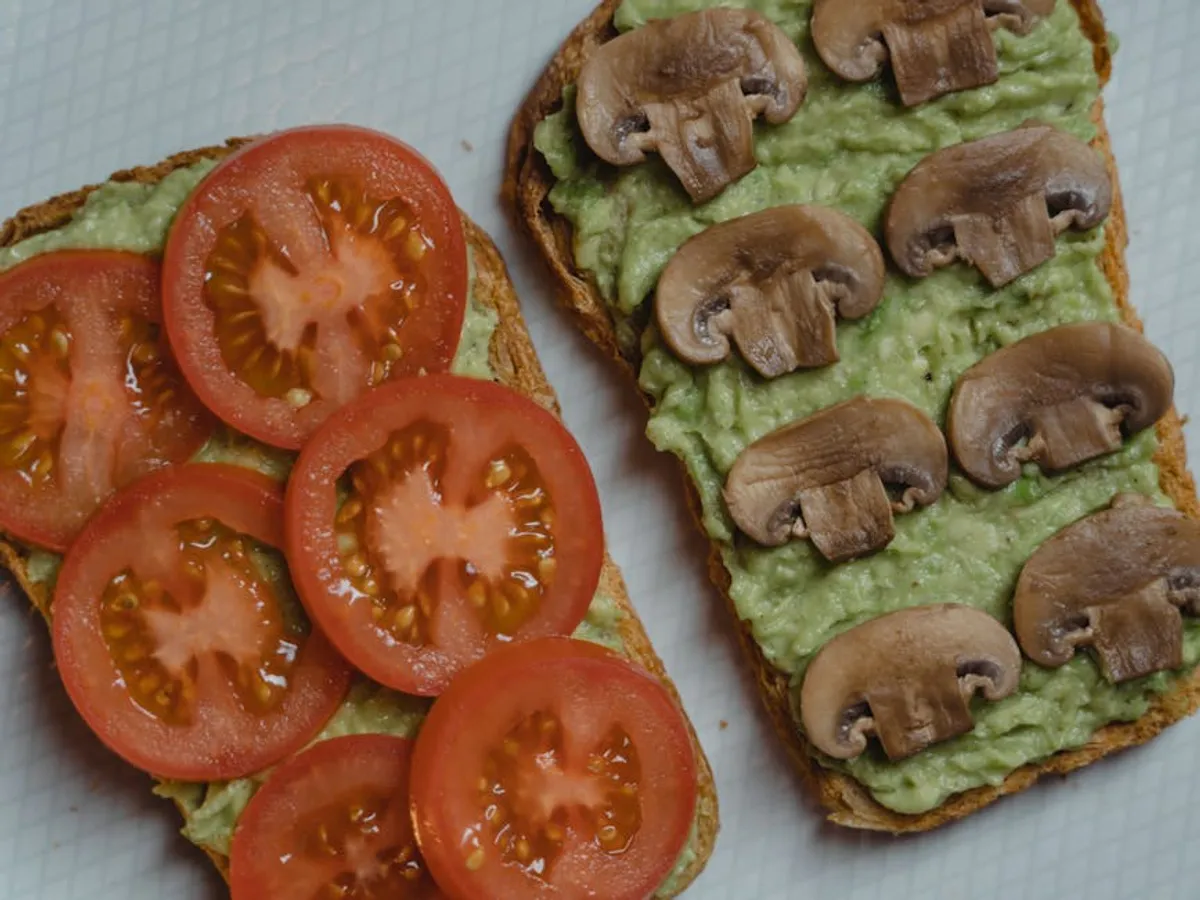
Transitioning to a low-carb dietary approach often presents a unique challenge: what to eat between meals without derailing progress. For beginners, the ease of reaching for familiar, carb-heavy options can be a significant hurdle. Effective low-carb snacking is not merely about avoiding sugar; it involves selecting foods that provide sustained energy, promote satiety, and align with specific macronutrient targets. This guide focuses on practical, accessible snack choices that support a low-carb lifestyle, emphasizing real foods over processed alternatives to help beginners establish sustainable eating habits.
Understanding Low-Carb Snack Principles
Successful low-carb snacking begins with a clear understanding of what constitutes an appropriate choice. The goal is to minimize carbohydrate intake while maximizing nutrient density and satiety, preventing hunger spikes that often lead to poor food decisions. This requires attention to both macronutrient balance and careful ingredient scrutiny.
Macronutrient Balance for Beginners
For individuals new to low-carb eating, prioritizing protein and healthy fats in snacks is paramount. Protein offers a high satiety index, meaning it keeps you feeling full for longer periods, reducing the likelihood of overeating. It also supports muscle maintenance, which is crucial during dietary changes. Healthy fats, such as monounsaturated and polyunsaturated fats, provide a concentrated source of energy, helping to fuel the body when carbohydrate intake is restricted. They also play a role in nutrient absorption and hormone production. A snack rich in protein and fat, with minimal net carbohydrates, helps stabilize blood sugar levels, avoiding the energy crashes associated with high-carb options.
Avoiding Hidden Carbs
One of the most common pitfalls for low-carb beginners is the presence of hidden carbohydrates in seemingly benign foods. Many processed snacks, even those marketed as "healthy" or "savory," contain added sugars, starches, or fillers that can quickly accumulate and push daily carb counts beyond desired limits. Ingredients like maltodextrin, corn syrup solids, dextrose, or modified food starch are common culprits. Even items like beef jerky can contain significant amounts of added sugar for flavor. Developing a habit of meticulously reading nutrition labels is essential. Focus on the "Total Carbohydrates" and "Dietary Fiber" lines; net carbs are typically calculated by subtracting fiber from total carbohydrates. This practice ensures that snack choices genuinely support a low-carb framework.
Essential Low-Carb Snack Categories
Building a repertoire of reliable low-carb snacks simplifies meal planning and reduces the temptation of non-compliant foods. The following categories offer diverse, nutrient-dense options suitable for beginners.
Dairy and Dairy Alternatives
Full-fat dairy products can be excellent low-carb snack options due to their protein and fat content.
- Full-Fat Cheese: Options like cheddar cubes, string cheese, mozzarella, or Swiss provide protein and fat without significant carbohydrates. They are convenient and portable.
- Plain, Unsweetened Greek Yogurt: Rich in protein, plain Greek yogurt can be paired with a small handful of low-carb berries (e.g., raspberries, blackberries) or a sprinkle of chia seeds for added fiber and healthy fats. Ensure it contains no added sugars.
- Cottage Cheese: Another protein-dense option, full-fat cottage cheese offers a creamy texture and can be enjoyed plain or with a few sliced cucumbers.
When selecting dairy, always opt for full-fat versions, as reduced-fat or fat-free products often compensate for flavor loss with added sugars or starches.
Nuts and Seeds
Nuts and seeds are calorie-dense and rich in healthy fats, fiber, and some protein, making them highly satisfying.
- Almonds, Walnuts, Pecans, Macadamia Nuts: These provide beneficial fats and a satisfying crunch. Macadamia nuts are particularly low in net carbs.
- Chia Seeds and Flax Seeds: While not typically eaten alone as a snack, these are excellent additions to plain yogurt or smoothies, boosting fiber and omega-3 fatty acids.
- Pumpkin Seeds and Sunflower Seeds: Offer a good source of minerals and healthy fats.
Pro Tip: Due to their high calorie density, portion control is critical with nuts and seeds. A small handful (approximately 1/4 cup) is usually sufficient to curb hunger without overconsuming calories.
Meats and Proteins
Direct protein sources are highly effective for satiety and are naturally low in carbohydrates.
- Hard-Boiled Eggs: An ideal portable snack, hard-boiled eggs offer complete protein and healthy fats. They can be prepared in advance for convenience.
- Beef Jerky or Meat Sticks: Look for brands with no added sugars, nitrates, or excessive sodium. These provide concentrated protein and are shelf-stable.
- Deli Meats: Slices of turkey, ham, or roast beef (check for low-sodium, no-sugar-added varieties) can be rolled up with a slice of cheese or avocado.
- Canned Tuna or Salmon: Packed in water or olive oil, these offer omega-3s and protein. They can be eaten plain or mixed with mayonnaise (check for sugar content) for a quick salad.
Vegetables with Dips
Non-starchy vegetables offer fiber and micronutrients with minimal carbohydrates. Pairing them with healthy fat-based dips enhances flavor and satiety.
- Celery Sticks, Bell Pepper Strips (especially green), Cucumber Slices: These provide crunch and hydration.
- Guacamole: Rich in healthy fats and fiber, guacamole makes an excellent dip. Ensure it's made from real avocados with minimal additives.
- Cream Cheese-Based Dips: Plain cream cheese can be seasoned with herbs and spices for a simple, satisfying dip.
Warning: Always scrutinize ingredient lists, especially for dips and sauces. Many commercial options contain added sugars, unhealthy oils, or starches that can undermine low-carb goals. Prioritize homemade dips or brands with transparent, minimal ingredient lists.
Preparing and Storing Low-Carb Snacks
Effective snack management involves proactive preparation and strategic storage. This minimizes the temptation to default to less healthy options when hunger strikes.
Batch Preparation for Convenience
Dedicate time each week to prepare snacks in advance. Hard-boiling a dozen eggs, portioning nuts into small containers, or chopping a week's worth of celery and bell peppers can save significant time and effort during busy weekdays. Pre-portioning also helps with calorie and carbohydrate control, preventing accidental overconsumption.
On-the-Go Solutions
For those with active lifestyles, portable, shelf-stable low-carb snacks are invaluable. Small, reusable containers are essential for packing items like cheese cubes, olives, or pre-cut vegetables. For situations where refrigeration isn't available, options like sugar-free beef jerky, individual packets of nuts, or shelf-stable tuna pouches are practical choices. Planning for these scenarios ensures consistent adherence to a low-carb approach, regardless of location.
Sustaining Your Low-Carb Snacking Habits
Implementing a low-carb diet successfully, especially for beginners, hinges on consistency and adaptability. The initial phase may require more conscious effort in planning and food selection, but over time, these practices become second nature. Focus on understanding your body's signals for hunger and satiety, and choose snacks that genuinely nourish and satisfy. Regularly reviewing your snack choices and adjusting them based on personal preference and dietary goals will ensure long-term adherence and positive outcomes. The aim is to build a sustainable eating pattern that supports energy levels, minimizes cravings, and aligns with your overall health objectives.
Frequently Asked Questions
What is considered a low-carb snack?
A low-carb snack typically contains minimal net carbohydrates, generally less than 5-10 grams per serving. It prioritizes protein and healthy fats to promote satiety and provide sustained energy, avoiding ingredients like added sugars, grains, or starchy vegetables.
Can I eat fruit on a low-carb diet?
While most fruits are high in natural sugars, some berries are acceptable in moderation due to their lower carbohydrate content and higher fiber. Small portions of raspberries, blackberries, or strawberries can be included, but larger or sweeter fruits like bananas, apples, or grapes are generally avoided on a strict low-carb plan.
How do I avoid overeating nuts?
Nuts are calorie-dense, so portion control is crucial. Measure out a single serving (typically 1/4 cup or about 1 ounce) into a small container or bag before snacking. Eating them slowly and mindfully can also help recognize satiety cues before overconsumption.
Are all protein bars low-carb?
No, not all protein bars are low-carb. Many contain significant amounts of sugar alcohols, artificial sweeteners, or other fillers that can impact blood sugar or cause digestive issues. Always check the nutrition label for net carbohydrate count and ingredient list, prioritizing bars with whole food ingredients and minimal added sugars.