
Navigating persistent stress requires more than just addressing symptoms; it demands a comprehensive, integrated approach that acknowledges the intricate connection between mind, body, and environment. Holistic stress relief techniques move beyond temporary fixes, focusing instead on cultivating sustainable well-being by targeting the root causes and systemic impacts of stress. This involves a deliberate shift from reactive coping mechanisms to proactive strategies that build resilience across multiple dimensions of health, ensuring a more robust and enduring sense of calm and control.
Addressing the Mind-Body Connection
Effective stress management begins with recognizing how mental states profoundly influence physical responses, and vice-versa. Techniques that bridge this gap provide foundational support.
Mindfulness and Meditation Practices
Mindfulness involves focusing on the present moment without judgment, while meditation encompasses various practices designed to train attention and awareness. These techniques directly impact the nervous system, shifting it from a sympathetic ("fight or flight") to a parasympathetic ("rest and digest") state.
Benefits: Regular practice has been shown to reduce cortisol levels, improve emotional regulation, and enhance cognitive flexibility. It also fosters a greater capacity to observe stressful thoughts and feelings without being overwhelmed by them, creating psychological distance.
Practical Application: Start with short, guided meditations focusing on breath awareness, gradually extending duration. Body scan meditations, which involve systematically bringing attention to different parts of the body, can also be effective for cultivating present-moment awareness and releasing physical tension.
Cognitive Behavioral Approaches
Cognitive Behavioral Therapy (CBT) principles, even when applied informally, offer powerful tools for stress reduction. This approach centers on identifying and restructuring unhelpful thought patterns that contribute to stress and anxiety.
Focus: The core idea is that our thoughts, not just external events, determine our emotional responses. By challenging negative or irrational thoughts, individuals can alter their emotional and behavioral reactions to stressors.
Techniques: Keeping a thought record, where you note down stressful situations, automatic thoughts, and subsequent feelings, helps identify cognitive distortions. Practicing cognitive reframing—consciously choosing alternative, more balanced interpretations of events—can significantly reduce perceived stress.
Cultivating Physical Resilience
The body’s capacity to withstand and recover from stress is directly tied to physical health. Integrating practices that support physiological balance is crucial for holistic relief.
Movement and Exercise
Physical activity is a potent stress reducer, acting on both psychological and physiological levels. It provides a constructive outlet for pent-up energy and anxiety while promoting beneficial biochemical changes.
Impact: Exercise stimulates the production of endorphins, natural mood elevators. It also helps regulate stress hormones like cortisol and adrenaline, improving the body's ability to return to a state of calm. Regular movement can also enhance sleep quality, further contributing to stress resilience.
Variety: Incorporate a mix of aerobic activities (e.g., brisk walking, swimming), strength training, and flexibility exercises (e.g., yoga, Tai Chi). Yoga and Tai Chi, in particular, combine physical postures with breathwork and mindfulness, offering integrated mind-body benefits.
Nutritional Support
Diet plays a significant role in managing stress, influencing neurotransmitter function, inflammation, and energy levels. A balanced diet provides the necessary building blocks for optimal brain function and stress response regulation.
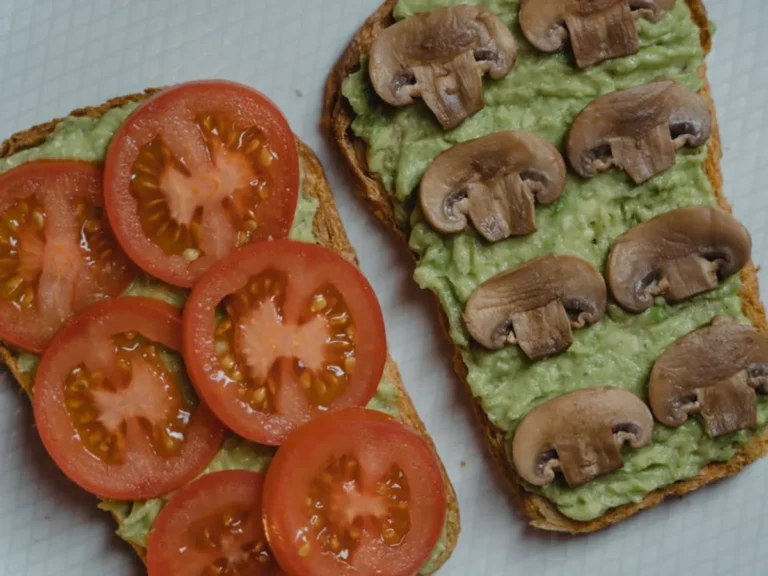
Key Nutrients: Focus on whole, unprocessed foods. Magnesium-rich foods (leafy greens, nuts, seeds), B vitamins (whole grains, legumes), and omega-3 fatty acids (fatty fish, flaxseed) are particularly important for nervous system health. Limiting caffeine, refined sugars, and alcohol can prevent energy crashes and mood fluctuations that exacerbate stress.
Restorative Sleep Hygiene
Adequate, high-quality sleep is non-negotiable for stress management. Sleep deprivation impairs cognitive function, emotional regulation, and increases stress hormone levels.
Practices: Establish a consistent sleep schedule, even on weekends. Create a conducive sleep environment by ensuring the bedroom is dark, quiet, and cool. Avoid screens before bed and develop a relaxing pre-sleep routine, such as reading or taking a warm bath.
Fostering Emotional and Social Well-being
Humans are social creatures; our emotional health is deeply intertwined with our connections and sense of purpose. Addressing these aspects provides external and internal resources for managing stress.
Connection and Community
Social support acts as a powerful buffer against stress. Feeling connected and understood can reduce feelings of isolation and provide practical assistance during challenging times.
Engagement: Actively nurture relationships with friends, family, and colleagues. Participate in community groups, volunteer, or join clubs that align with your interests. Sharing experiences and receiving empathetic listening can significantly lighten emotional burdens.
Creative Expression and Hobbies
Engaging in creative activities or pursuing hobbies offers a constructive diversion from stressors, promoting a state of "flow" where time seems to disappear. This can be a powerful antidote to rumination and anxiety.
Outlets: Whether it's painting, writing, playing music, gardening, cooking, or learning a new skill, these activities provide a sense of accomplishment, self-discovery, and enjoyment. They allow for emotional processing and can foster a renewed sense of purpose and meaning.
Pro Tip: When integrating new stress relief techniques, prioritize consistency over intensity. Even short, regular practices—like five minutes of mindful breathing daily—yield greater long-term benefits than sporadic, intensive efforts. Small, sustainable habits build lasting resilience.
Integrating Practices for Sustained Impact
The "holistic" aspect truly shines when these diverse techniques are integrated into a cohesive, personalized strategy. This isn't about doing everything at once, but rather finding a synergistic blend that suits individual needs and circumstances.
- Assess Your Stressors: Understand what triggers your stress and how it manifests physically and emotionally.
- Start Small: Introduce one or two new practices at a time, allowing them to become habits before adding more.
- Prioritize Self-Care: View stress relief as a non-negotiable part of your daily routine, not an optional luxury.
- Monitor and Adjust: Pay attention to what works best for you and be willing to modify or swap practices as your needs evolve.
- Seek Professional Guidance: For persistent or overwhelming stress, consulting with a therapist, counselor, or healthcare provider can provide tailored strategies and support.
Crafting Your Personalized Stress Relief Plan
Developing an effective holistic stress relief plan is an iterative process requiring self-awareness, patience, and commitment. It is not about eradicating stress entirely, which is an unrealistic goal, but about enhancing your capacity to navigate life's challenges with greater equanimity and strength. By consistently applying a combination of mind-body practices, physical health supports, and emotional well-being strategies, you build a robust internal framework that fosters sustained peace and resilience.
Frequently Asked Questions
What defines a "holistic" approach to stress relief?
A holistic approach addresses stress by considering the interconnectedness of mind, body, and spirit, rather than focusing solely on isolated symptoms. It integrates various techniques across physical, mental, emotional, and social dimensions to build comprehensive resilience.
How long does it take to see results from holistic techniques?
The timeframe for seeing results varies significantly based on individual factors, the severity of stress, and consistency of practice. While some immediate relief may be felt from practices like deep breathing, sustained benefits, such as reduced chronic stress and improved emotional regulation, typically emerge after consistent application over several weeks to months.
Can these techniques replace professional medical advice for severe stress?
No, holistic stress relief techniques are complementary tools and should not replace professional medical or psychological advice for severe or chronic stress, anxiety disorders, or depression. They can be highly effective as part of a broader treatment plan, often enhancing the efficacy of professional interventions.
Are there any contraindications for certain holistic stress relief practices?
Most holistic stress relief practices are safe for general use, but some may have considerations. For example, intense physical exercise might be contraindicated for certain medical conditions, and some meditation techniques might not be suitable for individuals with specific mental health challenges without professional guidance. Always consult a healthcare provider before starting new practices, especially if you have underlying health concerns.