
Choosing the optimal delivery method for a supplement—whether gummies, capsules, or powders—is not a trivial decision. Each format presents distinct advantages and disadvantages that directly impact absorption, dosage accuracy, ingredient stability, and user experience. For consumers, the choice often hinges on lifestyle, dietary restrictions, and specific health goals. For manufacturers and marketers, understanding these distinctions is critical for product positioning and consumer education. This comparison dissects the practical implications of each form, moving beyond mere preference to highlight the functional differences that influence efficacy and overall value.
Gummies: Convenience Versus Composition
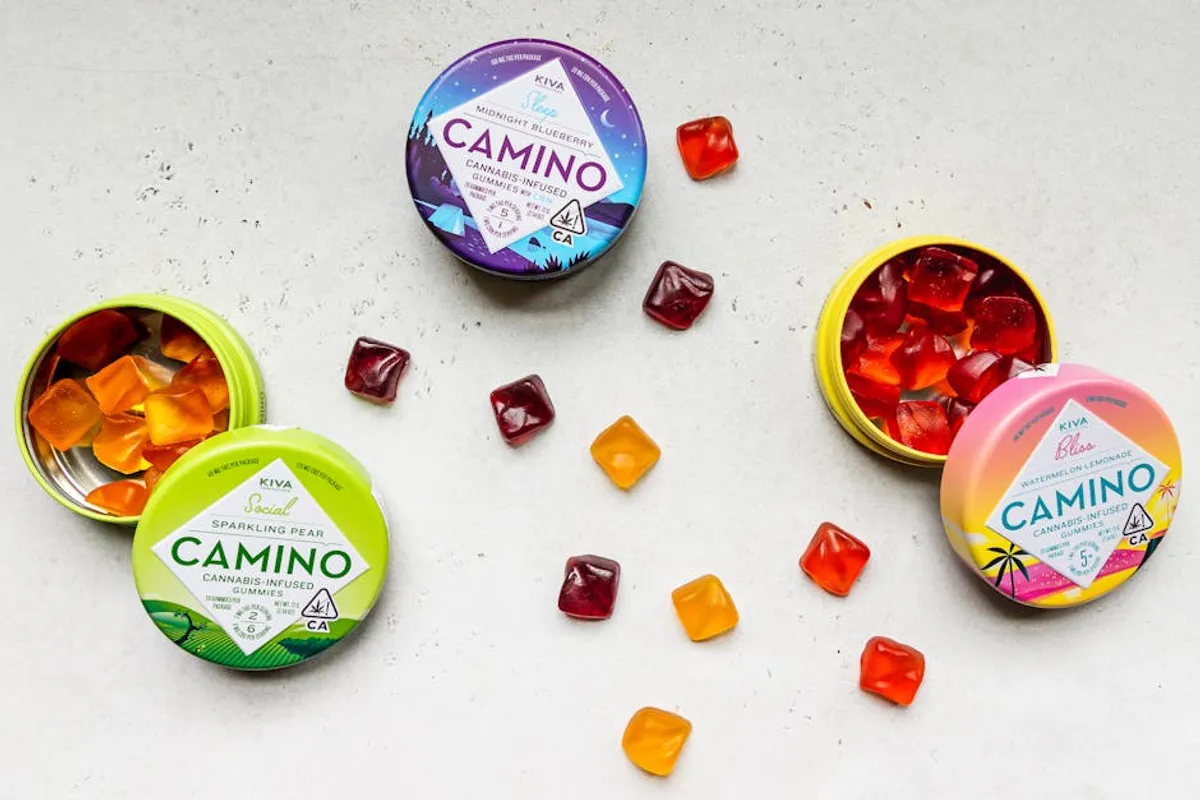
Gummies offer a palatable and convenient alternative to pills, appealing particularly to individuals who struggle with swallowing traditional tablets or capsules. Their chewable format and often pleasant flavors enhance user adherence, making them a popular choice for daily vitamins and minerals. However, this convenience frequently comes with trade-offs in ingredient profile and potency. To achieve their characteristic texture and taste, gummies typically contain added sugars, artificial sweeteners, or sugar alcohols, alongside gelling agents like pectin or gelatin, and various flavorings and colorings. These excipients can dilute the active ingredient concentration per serving, potentially requiring multiple gummies to achieve an equivalent dose found in a single capsule or a smaller amount of powder.
Moreover, the manufacturing process for gummies, which often involves heat, can compromise the stability of certain heat-sensitive nutrients, such as probiotics or some vitamins. The moisture content in gummies also presents challenges for ingredient stability over time, necessitating specific formulations or packaging to prevent degradation. While innovation in gummy technology is improving, consumers must scrutinize labels for active ingredient dosages and the presence of unwanted additives.
Best for: Individuals seeking an easy-to-consume, palatable supplement, especially those with pill-swallowing difficulties. Suitable for less sensitive nutrients or lower daily dosages where sugar content is not a primary concern.
Capsules: Precision and Protection
Capsules, encompassing both hard-shell and softgel varieties, are a widely adopted delivery method known for dosage precision and ingredient protection. Hard-shell capsules typically contain powdered or granular ingredients, offering a neutral taste and scent. They can be formulated for immediate release or, with specialized coatings, for delayed or enteric release, protecting sensitive ingredients from stomach acid and ensuring targeted delivery to the intestines. Softgels, on the other hand, are ideal for liquid or oil-based ingredients, such as omega-3 fatty acids or fat-soluble vitamins, providing an airtight seal that protects against oxidation and degradation.
The primary advantages of capsules include their ability to deliver exact, pre-measured doses, minimizing user error. They generally contain fewer inactive ingredients compared to gummies, often limited to the capsule shell material (gelatin or plant-based cellulose) and minimal flow agents. This can result in a higher concentration of active compounds per serving. For sensitive ingredients, the encapsulated environment provides a protective barrier against external factors like light, air, and moisture, contributing to longer shelf life and maintained potency.
Best for: Consumers prioritizing precise dosing, minimal additives, and the protection of sensitive or liquid ingredients. Ideal for those who prefer a neutral taste and consistent delivery.
Powders: Flexibility and Potency
Supplement powders offer the highest degree of dosage flexibility and often represent the most cost-effective option per serving, particularly for high-dose ingredients like protein, creatine, or specific amino acids. By mixing powders into liquids, users can customize their intake precisely, adjusting the dose based on individual needs or professional recommendations. This format also allows for rapid absorption, as the active ingredients are already dissolved or suspended in liquid before ingestion, bypassing the dissolution phase required for capsules or gummies.
The formulation of powders typically involves fewer binders, fillers, and excipients than other forms, which can be advantageous for individuals with sensitivities or those seeking maximal ingredient purity. However, powders present challenges related to taste, solubility, and convenience. Many active ingredients have a distinct, often unpleasant taste that requires masking with natural or artificial flavors. Mixing can be inconvenient, requiring a shaker bottle or spoon, and portability is reduced compared to pre-portioned capsules or gummies. Accurate dosing also relies on the user possessing appropriate measuring tools, such as scoops or scales, to avoid under- or over-dosing.
Best for: Individuals requiring high or customizable dosages, prioritizing rapid absorption, and comfortable with mixing their supplements. Suitable for bulk ingredients where cost-effectiveness and purity are paramount.
Critical Factors for Selecting a Supplement Format
Bioavailability and Absorption Dynamics
Bioavailability refers to the proportion of an active ingredient that enters the circulation and is able to have an active effect. Different formats influence this. Powders, when mixed into a solution, can offer rapid absorption due to pre-dissolution. Capsules, especially softgels for fat-soluble compounds or enteric-coated versions, can optimize delivery by protecting ingredients from stomach acid or ensuring release in the most absorptive part of the gut. Gummies, while convenient, can sometimes have slower or less complete absorption depending on their matrix and how well the active compound is released during digestion. The presence of other ingredients in gummies (like sugar or fiber) can also interfere with absorption for certain nutrients.
Ingredient Purity and Excipient Load
The "other ingredients" list is a significant differentiator. Powders generally have the lowest excipient load, focusing primarily on the active ingredient, though some may include anti-caking agents or flavorings. Capsules typically use minimal excipients beyond the shell material, making them a clean option. Gummies, by nature, require a more extensive list of inactive ingredients, including sweeteners, colorings, flavorings, and gelling agents, which can add unnecessary calories, allergens, or artificial compounds. Consumers focused on purity should scrutinize these lists carefully.
Dosage Control and Customization
For precise, adjustable dosing, powders are unparalleled. Users can measure out exactly the amount needed, making them ideal for tapering doses, micro-dosing, or achieving very high therapeutic levels. Capsules provide fixed, pre-measured doses, ensuring consistency but limiting flexibility. Gummies also offer fixed doses, but their palatability can lead to accidental overconsumption, particularly in households with children, or the need to consume multiple units to reach a desired active dose, increasing sugar intake.
User Experience and Adherence
Adherence to a supplement regimen is heavily influenced by the user experience. Gummies excel in palatability and ease of consumption, making them a preferred choice for individuals averse to pills or strong tastes. Capsules are generally tasteless and easy to swallow for most adults, though some find them challenging. Powders demand active preparation, including mixing and often dealing with a less palatable taste, which can be a barrier for some users despite their benefits. Portability is also a factor: capsules and gummies are easily carried and consumed on the go, while powders require more planning.
Cost Implications Per Serving
When comparing cost, it's essential to look at the price per active milligram or gram, not just the upfront package price. Powders often provide the most active ingredient per dollar, especially for bulk supplements, due to reduced manufacturing complexity and packaging. Capsules typically fall in the mid-range. Gummies can sometimes be more expensive per active dose due to the additional ingredients, specialized manufacturing processes, and marketing appeal, despite appearing affordable per unit.
Pro Tip: Always review the "Supplement Facts" panel thoroughly, not just the front-of-package claims. Pay close attention to the serving size, the amount of active ingredients per serving, and the "Other Ingredients" list. Verify if the product has undergone third-party testing for purity and potency, regardless of the delivery format. This due diligence ensures you are getting the stated dose of the intended ingredients without unwanted fillers.
Making an Informed Choice
The selection of a supplement delivery format is a strategic decision that should align with the specific nutrient being consumed, individual health requirements, and personal preferences. For sensitive ingredients or precise dosing, capsules often provide the most reliable delivery. For high-dose requirements, cost-effectiveness, and maximum flexibility, powders are typically superior. Gummies cater to convenience and palatability, but necessitate careful consideration of their sugar content and active ingredient concentration. Ultimately, the "best" format is the one that consistently delivers the necessary active ingredients effectively, without unwanted side effects or adherence barriers, and aligns with the user's overall health and dietary objectives.
Frequently Asked Questions About Supplement Forms
Are gummies as effective as capsules or powders?
Gummies can be effective, but their efficacy depends on the specific nutrient, its stability during manufacturing, and the active ingredient concentration per serving. Often, gummies contain less active ingredient per unit and more sugar or artificial additives compared to capsules or powders.
Which form offers the best absorption?
Absorption rates vary by nutrient and individual. Generally, powders mixed into liquid can offer rapid absorption. Softgels are excellent for fat-soluble nutrients, and enteric-coated capsules protect ingredients for targeted intestinal release. Gummies can have variable absorption depending on their matrix and other ingredients.
Can I get a higher dose from powders than from capsules or gummies?
Yes, powders typically allow for significantly higher and more customizable dosages than pre-portioned capsules or gummies. This makes them ideal for ingredients like protein, collagen, or certain amino acids where larger quantities are often desired.
Are there any specific ingredients that work better in one form over another?
Probiotics and certain enzymes often benefit from delayed-release capsules to protect them from stomach acid. Fat-soluble vitamins (A, D, E, K) and omega-3s are well-suited for softgels due to their oil-based nature. Large-dose ingredients like creatine or protein are most practical and cost-effective as powders. Gummies are often chosen for vitamins like C or B-complex, where taste is a primary concern.