
Embarking on a ketogenic diet requires a clear understanding of its fundamental principles and practical application. For beginners, the sheer volume of information can be overwhelming, leading to uncertainty about what to eat, what to avoid, and whether supplements are necessary. This guide distills the core components of a keto diet into actionable advice, focusing on simple food choices and essential supplements to facilitate a smooth transition into ketosis and support sustained adherence. The goal is to equip you with a foundational roadmap, enabling informed decisions that align with your health objectives without unnecessary complexity.
Understanding the Ketogenic Foundation
The ketogenic diet is characterized by a high-fat, adequate-protein, and very low-carbohydrate macronutrient distribution. The primary objective is to shift the body's metabolic state from burning glucose (sugar) for energy to burning fat, a process known as ketosis. This metabolic adaptation requires a consistent reduction in carbohydrate intake, typically below 20-50 grams net carbs per day, depending on individual tolerance and activity levels. This forces the liver to produce ketones from fat, which then become the body's primary fuel source. Adherence to these macronutrient ratios is paramount for achieving and maintaining ketosis.
Essential Keto Food Groups
Building a sustainable ketogenic diet starts with selecting the right foods. Focus on whole, unprocessed options to maximize nutrient intake and minimize hidden carbohydrates.
Healthy Fats: The Cornerstone
Fats constitute the majority of calories on a keto diet, providing sustained energy and satiety. Prioritize healthy sources:
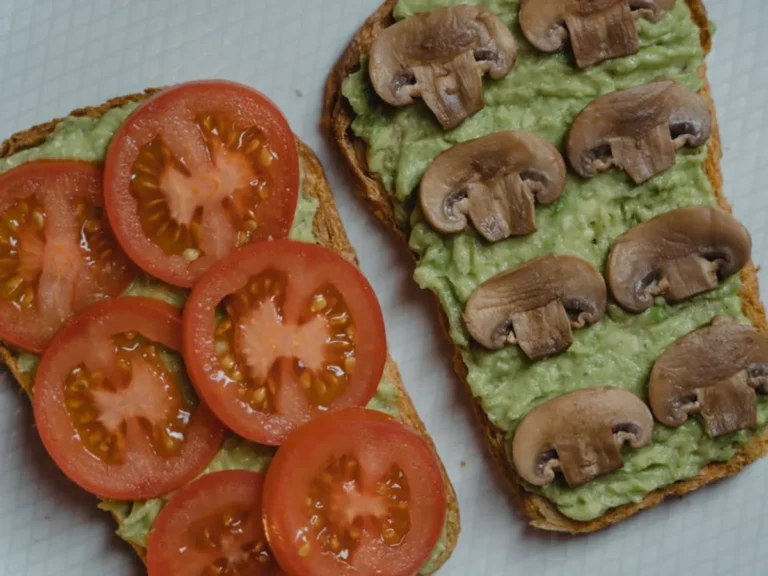
- Avocados: Rich in monounsaturated fats and potassium.
- Olive Oil: Extra virgin olive oil for dressings and low-heat cooking.
- Coconut Oil: Contains medium-chain triglycerides (MCTs) that can aid ketone production.
- Butter/Ghee: Grass-fed options are preferred for nutrient density.
- Fatty Fish: Salmon, mackerel, and sardines provide Omega-3 fatty acids.
- Nuts and Seeds: Almonds, macadamias, pecans, chia seeds, flax seeds (in moderation due to carb content).
Moderate Protein Sources
Protein intake should be adequate to preserve muscle mass but not excessive, as high protein can be converted to glucose through gluconeogenesis, potentially hindering ketosis. Aim for approximately 0.6 to 0.8 grams of protein per pound of lean body mass.
- Meat: Beef (especially fattier cuts), pork, lamb, venison.
- Poultry: Chicken thighs, wings, and dark meat; turkey.
- Eggs: Whole eggs are versatile and nutrient-dense.
- Seafood: Shrimp, crab, mussels.
Low-Carbohydrate Vegetables
Non-starchy vegetables provide essential vitamins, minerals, and fiber without significantly impacting carbohydrate limits. Focus on leafy greens and cruciferous vegetables.
- Leafy Greens: Spinach, kale, lettuce, Swiss chard.
- Cruciferous Vegetables: Broccoli, cauliflower, Brussels sprouts, cabbage.
- Other Low-Carb Options: Asparagus, bell peppers (especially green), zucchini, cucumber.
Foods to Strictly Limit or Avoid
Successful ketosis hinges on the strict avoidance of high-carbohydrate foods. These include:
- Sugary Foods: Soda, candy, pastries, ice cream, most desserts.
- Grains: Wheat, rice, pasta, oats, corn, bread, cereal.
- Starchy Vegetables: Potatoes, sweet potatoes, corn, peas.
- Most Fruits: Bananas, apples, oranges, grapes (berries are acceptable in very small portions).
- Legumes: Beans, lentils, chickpeas.
- Processed Foods: Many contain hidden sugars and unhealthy fats.
Navigating Essential Keto Supplements
While a well-formulated keto diet can provide most nutrients, certain supplements can support the transition, mitigate common side effects, and optimize performance.
Electrolytes: Preventing the "Keto Flu"
The diuretic effect of a low-carb diet leads to increased excretion of water and electrolytes, often causing symptoms like headaches, fatigue, and muscle cramps (commonly known as the "keto flu"). Supplementing is crucial.
Best for: Mitigating "keto flu" symptoms and maintaining hydration.
- Sodium: Increase salt intake (e.g., bone broth, salting food generously).
- Potassium: Found in avocados, spinach, and supplement forms.
- Magnesium: Crucial for muscle function and sleep; often deficient.
MCT Oil: Ketone Booster
Medium-chain triglycerides (MCTs) are fats that are rapidly absorbed and converted into ketones by the liver, providing a quick energy source and potentially deepening ketosis.
Best for: Increasing ketone levels, providing quick energy, and enhancing mental clarity.
Exogenous Ketones: Targeted Support
These supplements provide the body with ketones directly, either as salts (BHB salts) or esters. They can temporarily raise blood ketone levels but do not necessarily induce or maintain physiological ketosis in the same way dietary restriction does.
Best for: Short-term energy boosts, managing acute cravings, or supporting athletic performance during adaptation.
Pro Tip: When introducing new foods or supplements, monitor your body's response carefully. Individual tolerance to carbohydrates and supplement effects can vary significantly. Start with small amounts and observe for digestive issues or changes in energy levels.
Omega-3 Fatty Acids: General Health
While not specific to ketosis, Omega-3s (EPA and DHA) from fish oil or algal oil are important for overall health, reducing inflammation, and supporting brain function.
Best for: General health, inflammation reduction, and cognitive support.
Digestive Enzymes: Fat Digestion Aid
Some individuals experience digestive discomfort when transitioning to a high-fat diet. Enzymes like lipase can assist with fat breakdown.
Best for: Alleviating digestive issues, particularly for those new to high-fat eating.
Starting Your Keto Journey: Practical Steps
Begin by slowly reducing carbohydrate intake over a few days to minimize discomfort. Focus on meal planning to ensure consistent macronutrient ratios and prevent impulsive high-carb choices. Track your food intake initially using a reliable app to understand your personal carbohydrate limits and ensure adequate fat and protein consumption. Hydration is critical, as is consistent electrolyte intake. Listen to your body and adjust food choices and supplement use as needed.
Frequently Asked Questions
How long does it take to enter ketosis?
Most individuals enter ketosis within 2-4 days of consistently consuming less than 20-50 grams of net carbohydrates per day. Factors like activity level, metabolism, and prior diet can influence this timeline.
Can I eat fruit on a keto diet?
Most fruits are too high in sugar to be included regularly. Small portions of berries (strawberries, blueberries, raspberries) can be consumed sparingly due to their lower net carbohydrate content.
Do I need to track macros precisely?
While not strictly necessary long-term, beginners benefit significantly from tracking macronutrients (fats, proteins, carbs) for the first few weeks. This helps in understanding food composition and ensuring you stay within keto-friendly limits.
What if I experience the "keto flu"?
The "keto flu" is a common side effect of electrolyte imbalance. Increase your intake of sodium, potassium, and magnesium through food sources or supplements. Ensure adequate hydration by drinking plenty of water.