
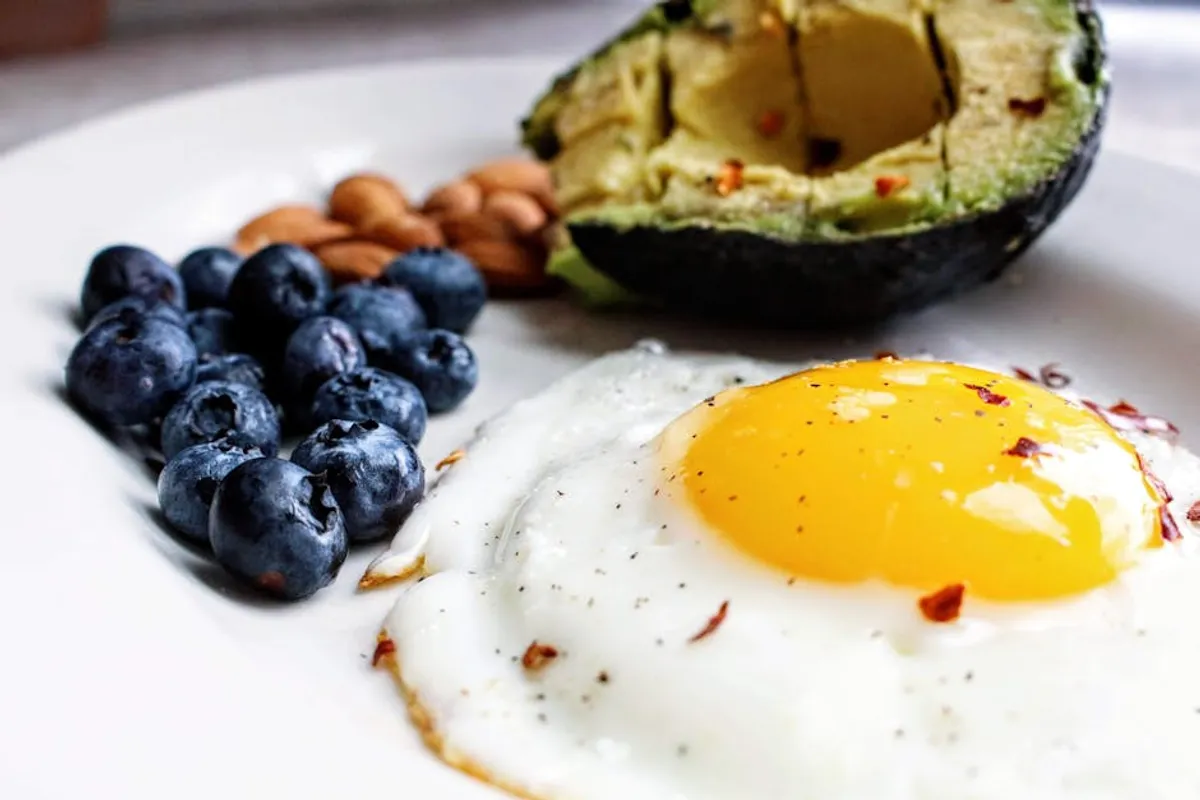
Embarking on a ketogenic diet represents a significant shift in eating patterns, moving from a carbohydrate-centric approach to one prioritizing healthy fats. For beginners, the primary challenge lies in understanding which foods support ketosis—the metabolic state where the body burns fat for fuel instead of glucose—and identifying supplements that genuinely aid this transition without unnecessary expense or complexity. This guide distills the core principles, offering clear, actionable food lists and a focused overview of supplements to simplify your initial steps into a keto lifestyle. This guide distills the core principles, offering clear, actionable food lists and a focused overview of supplements to simplify your initial steps into a keto lifestyle and understand the keto diet basics.
Understanding Ketosis: The Core of the Keto Diet
The ketogenic diet operates on a fundamental principle: drastically reducing carbohydrate intake to around 20-50 grams per day, while moderately consuming protein and significantly increasing fat consumption. This macronutrient reallocation forces the body to deplete its glycogen stores and begin producing ketones from fat, which then serve as the primary energy source. Achieving and maintaining ketosis is central to the diet's reported benefits, impacting energy levels, appetite regulation, and metabolic function. Beginners should focus on consistent adherence to macro ratios to facilitate this metabolic shift.
Essential Keto Foods: Building Your Meal Plan
Successful keto adherence hinges on selecting nutrient-dense, low-carbohydrate foods. Prioritize whole, unprocessed options to maximize nutritional intake and minimize hidden carbs.
Healthy Fats: Your Primary Fuel Source
- Avocados and Avocado Oil: Rich in monounsaturated fats, potassium, and fiber.
- Olive Oil: Extra virgin olive oil is a staple for dressings and low-heat cooking, providing beneficial monounsaturated fats.
- Coconut Oil and MCT Oil: Contains medium-chain triglycerides (MCTs) which are rapidly converted into ketones, offering a quick energy source.
- Butter and Ghee: Opt for grass-fed varieties when possible for a better nutrient profile.
- Fatty Fish: Salmon, mackerel, and sardines provide omega-3 fatty acids and healthy fats.
- Nuts and Seeds: Almonds, macadamia nuts, pecans, chia seeds, flax seeds, and walnuts (in moderation due to carb content).
Moderate Protein: Supporting Muscle and Satiety
- Meat: Beef, pork, lamb, and game meats. Choose fattier cuts when possible.
- Poultry: Chicken (especially dark meat and skin), turkey, duck.
- Eggs: Whole eggs are versatile and nutrient-dense, offering both fat and protein.
- Seafood: Shrimp, crab, mussels, and other low-carb options.
Low-Carbohydrate Vegetables: Fiber and Micronutrients
- Leafy Greens: Spinach, kale, lettuce, collard greens.
- Cruciferous Vegetables: Broccoli, cauliflower, Brussels sprouts, cabbage.
- Other Non-Starchy Vegetables: Asparagus, bell peppers (especially green), zucchini, cucumber, green beans.
Dairy and Alternatives: Select Wisely
- Full-Fat Dairy: Heavy cream, sour cream, cream cheese, and hard cheeses (cheddar, parmesan, mozzarella) in moderation.
- Unsweetened Nut Milks: Almond milk, coconut milk (check labels for added sugars).
Foods to Strictly Limit or Avoid on Keto
To maintain ketosis, it is crucial to eliminate or significantly reduce foods high in carbohydrates. This list covers common culprits that can quickly derail your progress.
- Grains and Starches: Bread, pasta, rice, oats, corn, quinoa, barley, and other grain-based products.
- Sugary Foods: Soda, juice, candy, pastries, cakes, ice cream, most processed snacks, and anything with added sugar.
- Starchy Vegetables: Potatoes, sweet potatoes, yams, carrots, parsnips, and most root vegetables.
- Most Fruits: Apples, bananas, oranges, grapes, mangoes, and most berries (except in very small, controlled portions).
- Legumes: Beans, lentils, chickpeas (high in carbs).
- Low-Fat and Diet Products: Often contain hidden sugars and artificial ingredients to compensate for fat removal.
- Certain Sauces and Condiments: Ketchup, BBQ sauce, honey mustard, and many salad dressings are often high in sugar.
Pro Tip: Always read nutrition labels carefully, especially for processed foods, sauces, and drinks. Carbohydrate counts can be surprisingly high even in items marketed as "healthy" or "natural." Focus on total carbohydrates and subtract fiber to get net carbs, which is the primary metric for keto.
Navigating Keto Supplements for Beginners
While a well-formulated keto diet can provide most necessary nutrients, certain supplements can support the transition and address common deficiencies, particularly during the initial adaptation phase.
Electrolytes: Counteracting the "Keto Flu"
When carbohydrate intake drops, the body excretes more water and electrolytes (sodium, potassium, magnesium). This loss can lead to symptoms like headaches, fatigue, and muscle cramps, often called the "keto flu."
- Sodium: Increase intake of salt (e.g., Himalayan pink salt, sea salt) in cooking and on food.
- Potassium: Found in avocados, spinach, mushrooms. Supplementation might be considered if dietary intake is insufficient, but consult a professional due to potential risks.
- Magnesium: Dark leafy greens, nuts, seeds. Magnesium citrate or glycinate are common supplement forms.
MCT Oil: Enhancing Ketone Production
MCT oil, derived from coconut oil, is a concentrated source of medium-chain triglycerides. It's rapidly absorbed and converted into ketones, providing a quick energy boost and potentially aiding in reaching ketosis faster. It can be added to coffee, smoothies, or dressings. Start with small doses to avoid digestive upset.
Omega-3 Fatty Acids: Essential for Overall Health
While not specific to ketosis, omega-3s (EPA and DHA) from fish oil or algal oil are crucial for brain health, reducing inflammation, and cardiovascular function. Many keto diets naturally include fatty fish, but supplementation can ensure adequate intake, especially for those who don't consume fish regularly.
Vitamin D: A Common Deficiency
Vitamin D deficiency is widespread, regardless of diet. It plays a role in bone health, immune function, and mood. Sunlight exposure is the primary source, but supplementation is often necessary, particularly in regions with limited sun or for individuals with indoor lifestyles. Choose D3 (cholecalciferol) for better absorption.
Sustaining Your Keto Journey
Successful long-term adherence to a ketogenic diet goes beyond initial food choices and supplement considerations. Focus on consistency in meal preparation, understanding your personal carbohydrate tolerance, and adapting recipes to maintain variety. Regularly assess your energy levels, sleep quality, and overall well-being to ensure the diet aligns with your health goals. Integrating regular physical activity further complements the metabolic benefits of ketosis, supporting both fat loss and muscle preservation. Integrating regular physical activity further complements the metabolic benefits of ketosis, supporting both fat loss and muscle preservation and helping you avoid common keto mistakes.
Frequently Asked Questions
What is the "keto flu" and how can I avoid it?
The keto flu refers to a collection of symptoms like headaches, fatigue, dizziness, and irritability that can occur during the initial adaptation to a ketogenic diet. It's primarily caused by electrolyte imbalance and dehydration. You can mitigate it by increasing your intake of sodium, potassium, and magnesium through diet and, if necessary, targeted supplementation, along with adequate water intake.
Do I need to count calories on a keto diet?
While the ketogenic diet often leads to natural appetite suppression, calorie intake still matters for weight management. For weight loss, a caloric deficit is necessary. For maintenance or gain, adequate calories are required. Initially, focus on macro adherence, but if progress stalls, tracking calories becomes important.
Can I eat fruit on a keto diet?
Most fruits are too high in sugar (and thus carbohydrates) to be compatible with a strict ketogenic diet. Berries, such as raspberries, blackberries, and strawberries, can be consumed in very small, controlled portions due to their lower net carb content, but moderation is key.
How long does it take to get into ketosis?
The time it takes to enter ketosis varies by individual but typically ranges from 2 to 4 days of strict carbohydrate restriction (under 20-50 grams per day). Factors like activity level, metabolism, and prior diet can influence this timeline. Monitoring ketone levels with urine strips, breath meters, or blood meters can confirm ketosis.