
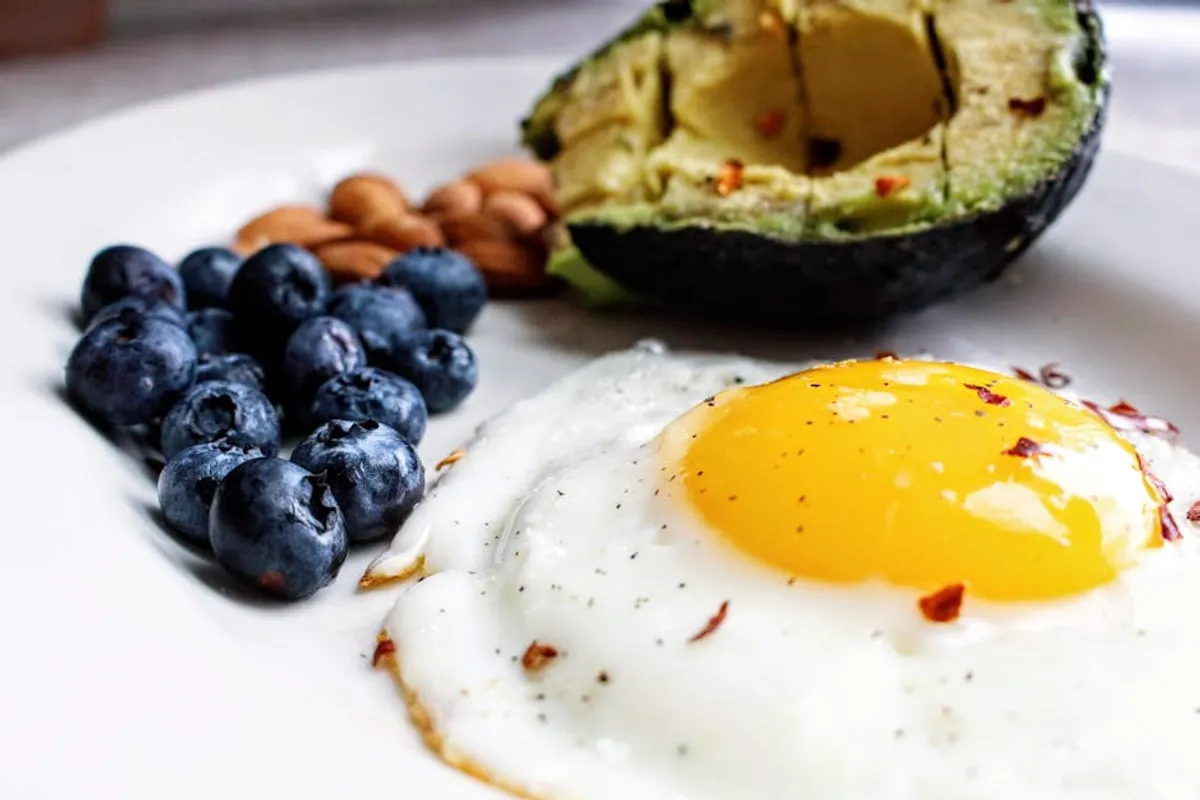
Embarking on a ketogenic diet requires a clear understanding of its core principles, especially when it comes to structuring your meals. For beginners, the sheer volume of information can be overwhelming, leading to confusion about what to eat, what to avoid, and how to maintain consistency. This guide cuts through the noise, providing a practical framework for developing a keto meal plan that simplifies adherence and promotes the metabolic shift necessary for ketosis. The objective is to equip you with actionable knowledge, ensuring your initial steps into ketogenic eating are both informed and sustainable, focusing on real foods and practical preparation. This guide aims to cover the essential keto diet basics for beginners, simplifying your entry into this eating style.
Understanding the Ketogenic Principle
The ketogenic diet operates on a fundamental shift in metabolic fuel. Instead of relying primarily on carbohydrates for energy, the body transitions to burning fat. This metabolic state, known as ketosis, is achieved by drastically reducing carbohydrate intake, moderating protein consumption, and increasing dietary fat.
Macronutrient Ratios Explained
Achieving ketosis hinges on specific macronutrient ratios. While individual needs vary, a typical beginner's target is:
- Carbohydrates: Aim for 20-50 grams of net carbohydrates per day. Net carbs are total carbs minus fiber. This strict limitation forces the body to seek alternative fuel sources.
- Protein: Moderate protein intake is crucial. Too much protein can be converted into glucose (gluconeogenesis), hindering ketosis. A general guideline is 0.6 to 0.8 grams of protein per pound of lean body mass. For most beginners, this translates to 60-100 grams daily, depending on activity level.
- Fat: Fat becomes the primary energy source, making up 70-80% of your daily caloric intake. This is where satiety comes from, and it provides the necessary fuel for bodily functions and energy.
These ratios are not merely suggestions; they are the mechanism by which the body enters and maintains ketosis. Consistent adherence is more critical than precise daily perfection.
Why Ketosis Matters for Beginners
The state of ketosis is the desired outcome because it means your body is efficiently burning fat for fuel, including stored body fat. For beginners, successfully entering ketosis often leads to reduced hunger, more stable energy levels, and the initial metabolic adaptations that underpin the diet's benefits. Understanding that ketosis is the goal helps beginners make informed food choices rather than simply following a restrictive list.
Essential Components of a Beginner Keto Meal Plan
A successful keto meal plan for beginners prioritizes whole, unprocessed foods. Focus on nutrient density to avoid deficiencies and maintain satiety without excess carbohydrates.
Approved Foods List
Building your meals around these categories ensures compliance and nutritional adequacy:
- Healthy Fats: Avocado, olive oil, coconut oil, butter, ghee, nuts (macadamias, pecans, walnuts), seeds (chia, flax, hemp), fatty fish (salmon, mackerel, sardines). These provide energy and essential fatty acids.
- Protein Sources: Grass-fed beef, pasture-raised poultry (chicken, turkey), eggs, pork, lamb, wild-caught fish and seafood. Prioritize quality to maximize nutrient intake.
- Low-Carb Vegetables: Leafy greens (spinach, kale, lettuce), broccoli, cauliflower, asparagus, zucchini, bell peppers (in moderation), Brussels sprouts. These offer fiber, vitamins, and minerals without significant carbohydrate load.
- Dairy (Full-Fat): Heavy cream, sour cream, cream cheese, hard cheeses (cheddar, gouda, parmesan). Choose full-fat versions to avoid added sugars and maintain fat intake.
These foods form the backbone of a beginner's keto diet, providing the necessary macronutrients and micronutrients while keeping carbohydrates low.
Foods to Strictly Avoid
Eliminating high-carb foods is non-negotiable for ketosis. These include:
- Grains: Wheat, rice, oats, corn, barley, quinoa. This covers most breads, pasta, cereals, and baked goods.
- Sugars: Table sugar, high-fructose corn syrup, honey, maple syrup, agave nectar, most processed desserts and candies. Read labels carefully as sugar is hidden in many products.
- Starchy Vegetables: Potatoes, sweet potatoes, carrots, parsnips, corn, peas. Their carbohydrate content is too high for ketogenic limits.
- Legumes: Beans, lentils, chickpeas. While nutritious, their carb count is generally too high.
- Most Fruits: Apples, bananas, oranges, grapes, most berries (except in very small quantities). Fructose content can quickly push you out of ketosis.
- Processed Foods: Anything with added sugars, unhealthy oils, or excessive additives.
This strict avoidance is temporary for initial adaptation and then becomes a sustained practice to maintain ketosis.
Hydration and Electrolytes
Often overlooked, adequate hydration and electrolyte balance are critical, especially for beginners. As carbohydrate intake drops, the body excretes more water and electrolytes like sodium, potassium, and magnesium. This can lead to "keto flu" symptoms. Consuming enough water, adding salt to food, and considering electrolyte supplements (often magnesium and potassium) can mitigate these effects, supporting overall well-being and consistent energy levels. Paying attention to these factors can help you avoid or manage common keto flu symptoms effectively.
Crafting Your First Week's Keto Meal Plan
A structured approach to your initial week minimizes guesswork and increases the likelihood of success. Focus on simple meals with familiar ingredients.
Sample Daily Structure
Consider a template like this for daily meals:
- Breakfast: Scrambled eggs with spinach and cheese, cooked in butter or coconut oil. Alternatively, a keto smoothie with avocado, spinach, protein powder, and unsweetened almond milk.
- Lunch: Large salad with grilled chicken or salmon, avocado, olive oil dressing. Or, leftover dinner from the previous night.
- Dinner: Baked salmon with roasted asparagus and cauliflower rice. Or, steak with a side of sautéed broccoli and a creamy sauce.
- Snacks (Optional): A handful of almonds, cheese sticks, olives, or a slice of avocado. Only snack if genuinely hungry.
This structure provides variety while adhering to macronutrient targets. It's designed to be adaptable based on preference and availability.
Practical Tips for Meal Prep
Meal preparation is a powerful tool for keto beginners. Dedicate time once or twice a week to:
- Cook Proteins in Bulk: Grill chicken breasts, bake salmon, or cook ground beef that can be used in multiple meals.
- Chop Vegetables: Pre-chop low-carb vegetables for quick salads or stir-fries.
- Prepare Healthy Fats: Portion out nuts, seeds, or make homemade dressings.
- Store Properly: Use airtight containers to keep prepped meals fresh for several days.
This proactive approach reduces the temptation to opt for non-compliant foods when time is short.
Tracking Progress and Adjusting
For beginners, tracking food intake for the first few weeks is highly recommended. Apps or food journals can help monitor carbohydrate, protein, and fat intake, ensuring you stay within your target macros. Pay attention to how you feel: energy levels, hunger, and any digestive changes. Use this feedback to make minor adjustments to your food choices or portion sizes. Consistency in tracking provides valuable data for optimizing your plan.
Pro Tip: Do not obsess over ketone levels in the first week. Focus on strict carbohydrate restriction and consistency. Your body needs time to adapt, and ketone readings will naturally increase as adaptation progresses. Prioritize feeling good and adherence over immediate high ketone numbers.
Implementing Your Keto Meal Plan
Successfully integrating a keto meal plan into your daily life requires commitment and a willingness to learn. Begin by clearing your pantry of non-compliant foods to remove temptation. Stock your kitchen with approved ingredients, making healthy choices the easiest choices. Prioritize whole, unprocessed foods and pay attention to portion sizes, especially for proteins and fats, to align with your macro goals. Remember that consistency is more impactful than perfection; occasional deviations are less detrimental than giving up entirely. Focus on building sustainable habits for long-term success.
Frequently Asked Questions
How long does it take to enter ketosis?
Most individuals enter a state of nutritional ketosis within 2-4 days of consistently consuming 20-50 grams of net carbohydrates per day. Individual metabolism and activity levels can influence this timeline.
What is "keto flu" and how can I avoid it?
Keto flu refers to a collection of symptoms like headaches, fatigue, and irritability that can occur during the initial adaptation phase. It's primarily caused by electrolyte imbalance and dehydration. Increasing salt intake, staying well-hydrated, and supplementing with magnesium and potassium can effectively mitigate these symptoms.
Can I eat fruit on a keto diet?
Most fruits are too high in sugar to be included in a standard ketogenic diet. Small quantities of low-carb berries, such as raspberries, blackberries, or strawberries, can be consumed in moderation while staying within your daily carbohydrate limit.
Is calorie counting necessary for keto beginners?
While not strictly necessary for everyone, tracking calories can be beneficial for beginners to ensure they are meeting their fat intake goals without overconsuming or underconsuming. It also helps in understanding portion sizes and calorie density of keto-friendly foods.