
Maintaining a ketogenic diet while navigating a demanding schedule presents a unique challenge: how to ensure consistent low-carb, high-fat intake without extensive meal preparation. The core issue for busy individuals is often the availability of compliant, satisfying options that prevent carb cravings and energy dips. This guide focuses on actionable strategies for selecting and preparing keto snacks that support sustained energy and adherence to macronutrient goals, even on the most time-constrained days.
Understanding Keto Snack Fundamentals
Successful keto snacking hinges on a clear understanding of what constitutes a compliant item, especially when time is short. The objective is to provide a quick, balanced energy source that maintains ketosis.
Macronutrient Ratios for On-the-Go
For snacks, the typical ketogenic ratio prioritizes fat (60-75% of calories), moderate protein (20-35%), and minimal carbohydrates (5-10%, usually under 20-30g net carbs per day). When selecting a snack, quickly assess its fat-to-protein ratio and net carb count. High-fat components like avocados, nuts, or full-fat dairy provide satiety and sustained energy, crucial for busy periods where meal times might be irregular. Protein helps with muscle maintenance and further contributes to fullness, while keeping carbs low prevents insulin spikes and maintains a fat-burning state.
Prioritizing Whole Foods vs. Packaged Options
While whole, unprocessed foods are ideal, busy schedules often necessitate reliance on packaged alternatives. For whole foods, focus on items that require no cooking or minimal assembly. For packaged options, meticulous label reading is non-negotiable. Look for transparent ingredient lists, minimal added sugars (including hidden forms like maltodextrin or corn syrup solids), and a clear breakdown of net carbohydrates. Many "keto-friendly" labels can be misleading, so verifying the nutritional panel is paramount.
Quick-Prep Keto Snacks (DIY Options)
These options require minimal preparation time and can often be batch-prepped for the week, ensuring you always have a compliant snack ready.
- Hard-Boiled Eggs: A complete protein source with healthy fats. Boil a dozen at the start of the week for grab-and-go convenience.
Best for: Protein boost, sustained energy, minimal carbs.
- Cheese Sticks or Cubes: Full-fat cheese provides fat and protein. Portion control is key to avoid excess calories.
Best for: Quick fat and protein, satisfying crunch.
- Avocado Slices with Salt: High in monounsaturated fats and potassium. A quick half avocado with a sprinkle of sea salt is a nutrient-dense option.
Best for: Healthy fats, electrolytes, creamy texture.
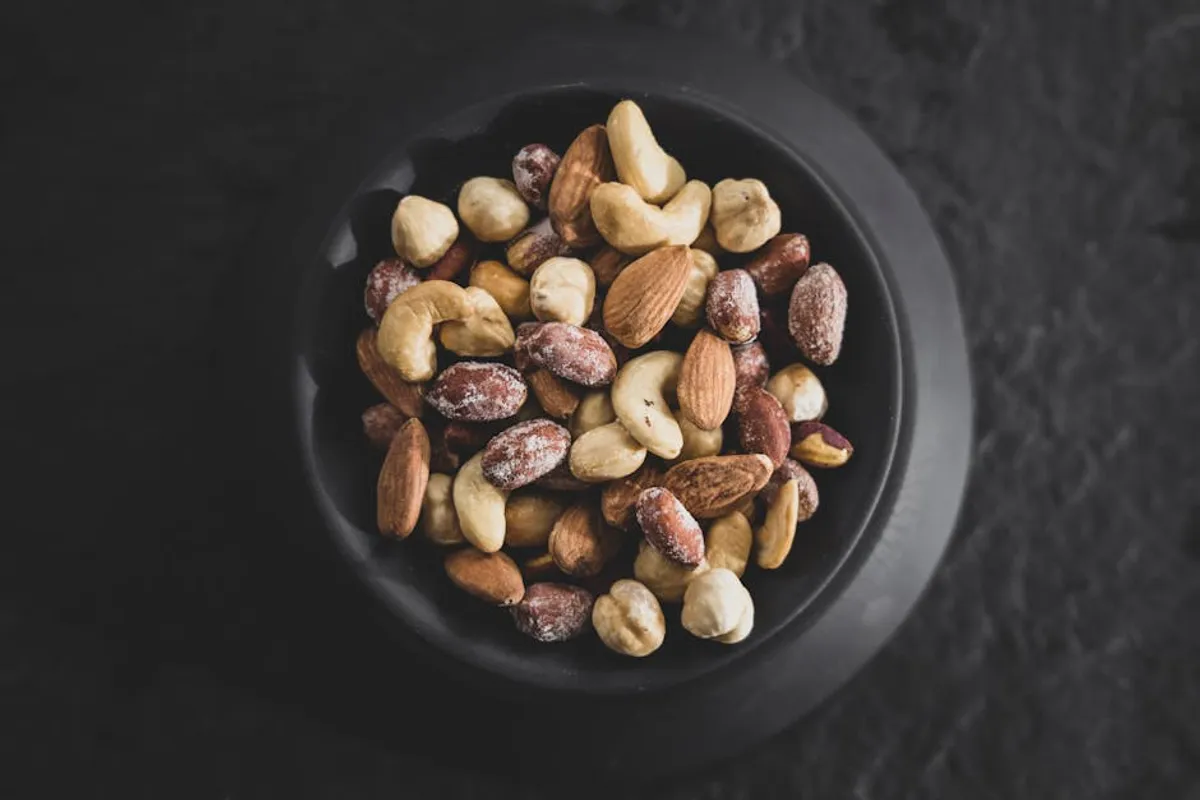
- Nuts and Seeds (Portioned): Almonds, macadamia nuts, pecans, walnuts, chia seeds, and flax seeds are excellent. Pre-portion into small bags to control serving sizes and carb intake.
Best for: Fiber, healthy fats, portable crunch.
- Deli Meat Roll-Ups: Slices of turkey, ham, or roast beef rolled with a slice of cheese or a pickle spear.
Best for: Quick protein, customizable flavors.
Pro Tip: When preparing DIY snacks, always pre-portion. Over-consuming even keto-friendly foods, especially nuts or full-fat dairy, can lead to excess calorie intake and stall progress. Use small containers or snack bags to manage serving sizes effectively.
Store-Bought Keto Snacks (Convenience Focus)
For those days when even five minutes of prep is too much, these ready-to-eat options can be lifesavers, provided you select them carefully.
- Beef Jerky or Meat Sticks: Opt for brands with no added sugar, nitrates, or artificial ingredients. Grass-fed options often have better fat profiles.
Best for: High protein, portable, savory.
- Keto Bars: These vary widely in quality. Look for bars with high fat content, moderate protein, and very low net carbs (typically under 5g). Prioritize those sweetened with erythritol or stevia, and avoid maltitol which can cause digestive upset and spike blood sugar for some.
Best for: Meal replacement in a pinch, controlled macros.
- Olives: Rich in healthy fats and antioxidants. Pre-packaged single servings are convenient.
Best for: Healthy fats, savory taste, electrolytes.
- Seaweed Snacks: Light, crispy, and low in carbs. Check for added oils or sugars.
Best for: Light crunch, trace minerals, very low calorie.
- Pork Rinds: A zero-carb, high-fat, and moderate-protein snack. Look for plain varieties to avoid sugary seasonings.
Best for: Satisfying crunch, salt craving, zero net carbs.
Hydration and Electrolytes
Amidst a busy schedule, it's easy to overlook hydration. On a ketogenic diet, adequate water intake and electrolyte balance are even more critical due to increased water excretion. Carry a water bottle and consider adding a pinch of sea salt to water or consuming electrolyte-rich foods like avocado or bone broth. Dehydration and electrolyte imbalance can lead to fatigue and reduced cognitive function, counteracting the benefits of careful snacking.
Strategic Snacking for Energy and Satiety
Snacking on keto should be strategic, not reactive. Instead of waiting until hunger becomes overwhelming, plan your snacks. This prevents impulsive, non-compliant choices. Consider a snack before a long meeting, a workout, or during a mid-afternoon slump. The goal is to maintain stable blood sugar and energy levels, avoiding the crashes associated with carb-heavy foods. Listen to your body's true hunger signals versus emotional or habitual eating cues.
Building Your Keto Snack Emergency Kit
Proactive preparation is the most effective strategy for busy days. Assemble a "keto emergency kit" for your desk, car, or bag. This kit might include a small bag of pre-portioned nuts, a couple of meat sticks, a pack of olives, or a quality keto bar. Having readily available, compliant options eliminates the temptation to grab non-keto foods when unexpected hunger strikes or schedules shift. Having readily available, compliant options eliminates the temptation to grab non-keto foods when unexpected hunger strikes or schedules shift, making these keto snacks for busy days a lifesaver.
Actionable Steps for Consistent Keto Snacking
To integrate effective keto snacking into a busy lifestyle, implement these steps:
- Weekly Prep: Dedicate a short block of time each week to hard-boil eggs, portion nuts, or wash and cut low-carb vegetables.
- Label Scrutiny: Develop a habit of reading nutrition labels for all packaged snacks, focusing on net carbs, added sugars, and inflammatory oils.
- Strategic Stocking: Keep a diverse range of compliant snacks at home, in your workspace, and in your travel bag to cover various situations.
- Hydration Priority: Pair snacks with adequate water intake and consider electrolyte supplementation if experiencing fatigue or headaches.
- Mindful Consumption: Even with keto snacks, practice mindful eating. Pay attention to hunger and fullness cues to avoid overconsumption.
Frequently Asked Questions
Q: What are "net carbs" and why do they matter for keto snacks?
A: Net carbs are total carbohydrates minus fiber and sugar alcohols (if they don't impact blood sugar). They are the carbohydrates that your body can digest and convert into glucose, directly impacting ketosis. For keto snacks, aiming for very low net carbs per serving is crucial.
Q: Can fruit be a keto snack for busy days?
A: Most fruits are too high in sugar to be keto-friendly. Small amounts of berries (like a few raspberries or blueberries) can be consumed in moderation, but they are generally not ideal for quick, high-fat, low-carb snacking, especially for strict keto adherence.
Q: How do I handle cravings for non-keto snacks when I'm busy?
A: Plan ahead by having compliant, satisfying keto snacks readily available. Often, cravings stem from low energy or dehydration. Try drinking water, having a fat-rich keto snack, or a small amount of dark chocolate (90%+) to curb the urge. Distraction or a short break can also help.
Q: Are all "keto-friendly" labeled products genuinely suitable?
A: No. The term "keto-friendly" is not regulated. Always check the ingredient list for hidden sugars, high-carb fillers, and artificial additives. Focus on the actual macronutrient breakdown, particularly net carbs, rather than relying solely on marketing claims.