
The market for low-carb dietary approaches continues to expand, driven by sustained interest in weight management, metabolic health, and performance. For content creators and marketers, "Low-Carb Snacks for Beginners" represents a specific, high-intent query cluster. This segment of the audience is typically seeking accessible, understandable, and actionable information, often characterized by a need for simplicity and readily available ingredients. Understanding the search intent behind this phrase is critical: users are not just looking for a list of foods; they seek guidance on integrating these options into a new dietary framework, often with concerns about taste, convenience, and nutritional balance. Content that addresses these underlying needs, rather than just providing generic product recommendations, will capture and retain this audience effectively.
Understanding the Beginner Low-Carb Snacker
Beginners in any dietary shift face distinct hurdles. For low-carb eating, these often revolve around unfamiliarity with suitable food choices, fear of deprivation, and the practicalities of meal and snack preparation. Their search behavior reflects these challenges, frequently including long-tail queries such as "easy low-carb snacks," "low-carb snacks no cooking," or "what can I snack on low carb for beginners."
Common Challenges and Preferences
New low-carb adherents often struggle with replacing carbohydrate-rich staples like bread, crackers, and sugary treats. Their primary concerns include finding satisfying alternatives that prevent cravings, maintaining energy levels, and ensuring nutritional adequacy. Content should acknowledge these pain points directly. For instance, addressing the common "afternoon slump" with specific snack suggestions that provide sustained energy without a sugar spike can be highly valuable. Emphasis on satiety, taste, and minimal preparation time resonates strongly with this demographic, as they are often balancing new dietary habits with existing routines.
Key Nutritional Considerations for Beginners
When curating content around low-carb snacks for beginners, it is crucial to highlight the macronutrient profile beyond just carbohydrate restriction. Focus on adequate protein and healthy fats, which contribute to satiety and provide essential nutrients. Beginners may not yet understand the importance of electrolytes or fiber in a low-carb diet, making it a valuable educational opportunity within snack-focused content. Providing context on why certain fats or proteins are beneficial, rather than just listing them, elevates the content's authority and usefulness. For example, explaining how healthy fats from avocados contribute to sustained energy and nutrient absorption adds significant value.
Popular Low-Carb Snack Categories and Their Appeal
Categorizing snacks helps beginners navigate choices and understand the breadth of options available. Each category offers distinct advantages in terms of convenience, nutritional profile, and versatility.
Dairy-Based Options
Dairy products like full-fat Greek yogurt, cottage cheese, and various cheeses are popular for their protein content and convenience. For beginners, these are often familiar foods that require minimal preparation.
Best for: Quick protein boost, satiety, calcium intake.
Content should guide users on selecting plain, unsweetened varieties and suggest simple additions like berries (in moderation) or a sprinkle of nuts for added texture and nutrients. Highlighting the difference between low-fat and full-fat dairy in a low-carb context is also important for clarity.
Nut and Seed Selections
Almonds, walnuts, pecans, chia seeds, and flax seeds offer healthy fats, fiber, and some protein. They are highly portable and require no preparation, making them ideal for on-the-go snacking.
Best for: Healthy fats, fiber, portability.
When discussing nuts and seeds, content should advise on portion control due to their calorie density and highlight varieties with lower net carb counts. Suggesting combinations, such as a small handful of almonds with a piece of cheese, provides practical pairing ideas.
Meat-Based Choices
Jerky (sugar-free), pepperoni slices, and hard-boiled eggs are excellent sources of protein and require minimal effort. These options are particularly appealing to those seeking savory, satisfying snacks.
Best for: High protein, satiety, convenience.
For jerky, emphasize checking labels for added sugars and artificial ingredients. Hard-boiled eggs are a staple, and content can suggest batch preparation for easy access throughout the week. Offering ideas for seasoning eggs or pairing them with a healthy fat like avocado can enhance their appeal.
Vegetable-Centric Snacks
Crunchy vegetables like celery, bell peppers, and cucumber paired with dips such as guacamole or cream cheese offer fiber, vitamins, and hydration. These snacks help address the desire for volume and crunch without excess carbohydrates.
Best for: Fiber, vitamins, hydration, satisfying crunch.
Content should focus on low-carb vegetable choices and provide simple, low-carb dip recipes or store-bought recommendations (e.g., hummus in moderation, or a homemade ranch dip with full-fat sour cream). Visual appeal is also high with colorful vegetable sticks, which can be emphasized in content creation.
Pro Tip for Content Creators: When developing content for low-carb beginners, prioritize clarity and actionable advice over extensive scientific detail. Users are looking for "how-to" guidance and practical solutions. Ensure all snack suggestions include context on portion sizes and potential carbohydrate counts, as beginners are still learning to track these metrics. Overly complex recipes or ingredient lists can deter engagement; focus on simplicity and accessibility.
Crafting Engaging Content for Low-Carb Snack Beginners
Effective content for this audience goes beyond mere lists. It involves strategic presentation and an understanding of the user journey.
Emphasizing Simplicity and Accessibility
Beginners need clear, concise instructions and readily available ingredients. Content should feature snacks that require minimal cooking or can be prepared in advance.
- "No-Cook" Options: Highlight snacks that simply need assembly, like cheese sticks, olives, or pre-portioned nuts.
- Batch Preparation: Suggest making larger quantities of items like hard-boiled eggs or pre-chopping vegetables for quick access.
- Ingredient Focus: Use common ingredients found in most grocery stores to reduce perceived barriers to entry.
Using bullet points and clear, short sentences improves readability and makes the information more digestible for someone new to the topic.
Visual Content and Recipe Integration
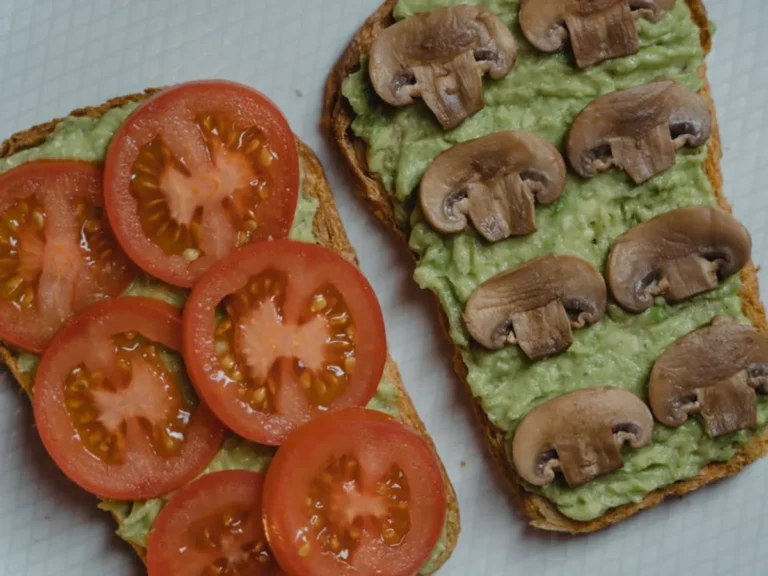
High-quality imagery is crucial for showcasing the appeal of low-carb snacks. Visually appealing photos of simple, delicious-looking snacks can significantly increase engagement. For recipe-oriented content, integrate step-by-step photos or short video clips that demonstrate the ease of preparation. This visual guidance builds confidence and makes the dietary shift feel less daunting. Consider incorporating user-generated content or testimonials that show real people successfully enjoying these snacks, further validating the approach for beginners.
Actionable Takeaways for Content Strategy
To effectively serve the "Low-Carb Snacks for Beginners" audience, content must be pragmatic, visually rich, and address common anxieties associated with dietary changes. Focus on providing clear, simple options that are easy to integrate into daily life. Emphasize convenience, taste, and the practical benefits of each snack, such as satiety or sustained energy. Regularly update content to reflect new product availability or evolving dietary insights, ensuring continued relevance and authority in this competitive niche. By anticipating beginner questions and offering straightforward solutions, you build trust and position your content as an essential resource.
Frequently Asked Questions About Low-Carb Snacks for Beginners
Q: What makes a snack "low-carb" for beginners?
A: Generally, a low-carb snack contains minimal net carbohydrates, typically under 5-10 grams per serving, focusing instead on protein and healthy fats to promote satiety and stable blood sugar. For beginners, the emphasis is on simple, unprocessed options.
Q: Are all nuts and seeds suitable for low-carb snacking?
A: While many nuts and seeds are low-carb, some, like cashews, have higher carbohydrate counts. It's important for beginners to check nutritional labels and prioritize options like almonds, walnuts, pecans, and chia seeds, always minding portion sizes.
Q: How can beginners avoid feeling deprived when switching to low-carb snacks?
A: Focus on satisfying alternatives that replicate textures and flavors. For example, crunchy vegetables with a creamy dip can replace chips, while berries with full-fat yogurt can satisfy sweet cravings. Experimenting with seasonings and healthy fat additions also enhances satisfaction.
Q: Is it necessary to track macros for every low-carb snack as a beginner?
A: While not strictly necessary for every single snack, familiarizing oneself with the general carbohydrate, protein, and fat content of common low-carb snacks helps beginners make informed choices and understand how different foods impact their daily totals. This knowledge builds confidence over time.