
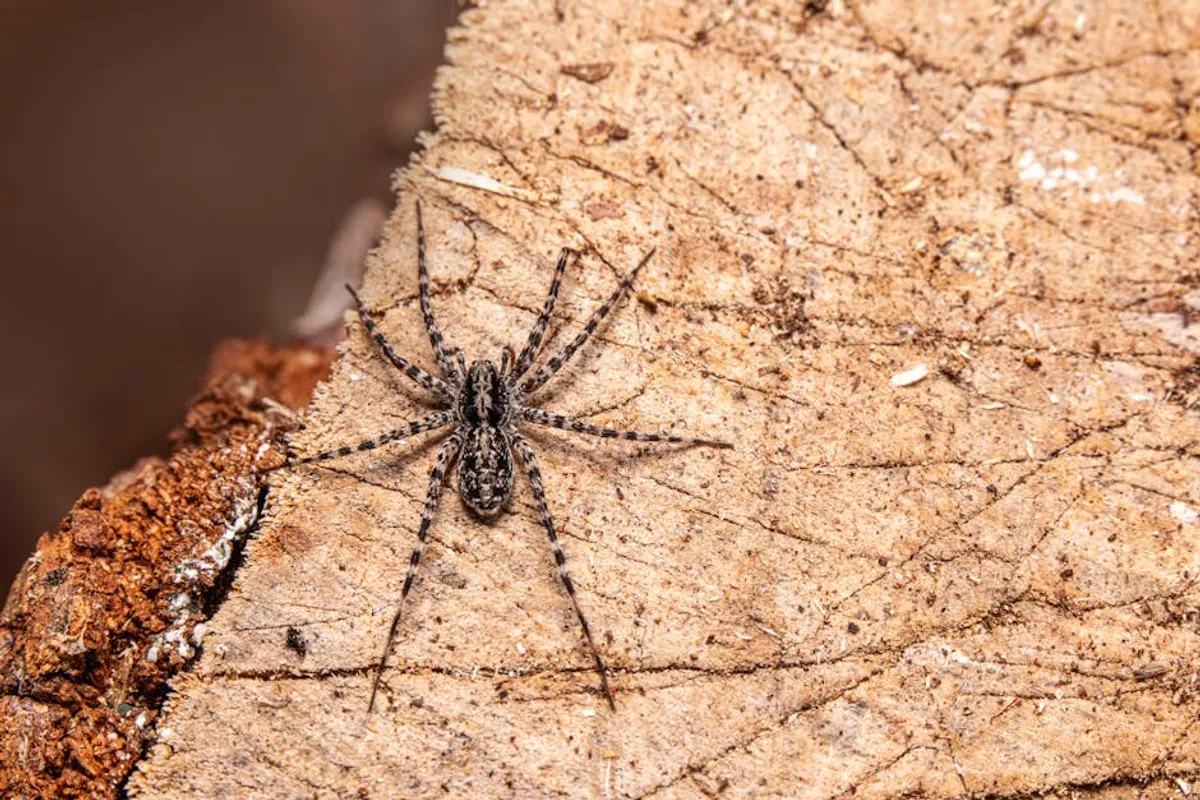
Wolf spiders, common across many regions, are often a source of anxiety due to their size and rapid movement. While their bites are generally not considered medically dangerous to humans, they can be painful and cause localized reactions. Understanding the appropriate steps for at-home treatment is crucial for managing symptoms effectively and knowing when professional medical attention is necessary. This guide focuses on immediate first aid and symptom management for wolf spider bites, providing practical, actionable advice without replacing professional medical consultation.
Identifying a Wolf Spider Bite
Accurate identification is the first step in treating any bite. Wolf spider bites typically present with specific characteristics, though individual reactions can vary. These spiders are not aggressive but will bite if they feel threatened or are accidentally pressed against skin. The bite itself often feels like a sharp pinprick, similar to a bee sting.
- Initial Sensation: A sudden, sharp pain.
- Appearance: A small, raised red bump, often with two distinct puncture marks from the fangs, though these may not always be visible.
- Localized Symptoms: Swelling, redness, and itching around the bite site are common.
- Duration: Symptoms typically resolve within a few days to a week.
It is important to differentiate wolf spider bites from those of more venomous spiders, such as the brown recluse, which can cause more severe tissue damage. If you are unsure of the spider type or if symptoms are atypical, medical consultation is advised.
Immediate First Aid Steps for a Wolf Spider Bite
Prompt action can significantly reduce discomfort and prevent secondary issues. The goal of immediate first aid is to clean the wound, reduce swelling, and manage pain.
Step 1: Clean the Bite Area
Gently wash the bite site with mild soap and water. This removes any potential contaminants, reducing the risk of bacterial infection. Use a clean cloth or cotton ball, and avoid harsh scrubbing which can irritate the skin further.
Step 2: Apply a Cold Compress
Apply a cold pack or a cloth-wrapped ice pack to the affected area for 10-15 minutes at a time, several times a day. The cold temperature helps constrict blood vessels, reducing swelling and numbing the area to alleviate pain and itching. Do not apply ice directly to the skin to prevent frostbite.
Step 3: Elevate the Affected Limb
If the bite is on an arm or leg, elevate the limb above heart level. This aids in reducing swelling by promoting fluid drainage away from the bite site. For example, if bitten on the hand, prop it up on pillows while resting.
Warning: Never attempt to cut or suck venom from a spider bite. This can introduce bacteria, increase the risk of infection, and cause further tissue damage without removing any significant amount of venom.
Managing Symptoms at Home
After immediate first aid, ongoing symptom management focuses on comfort and preventing complications.
Addressing Pain and Discomfort
Over-the-counter pain relievers can effectively manage localized pain and inflammation.
- Oral Pain Relievers: Ibuprofen (e.g., Advil) or acetaminophen (e.g., Tylenol) can reduce pain and swelling. Follow dosage instructions carefully.
- Topical Creams: Hydrocortisone cream (0.5% or 1%) can alleviate itching and inflammation. Apply a thin layer to the bite area as directed. Calamine lotion can also soothe itchy skin.
Preventing Infection
Keeping the bite clean and avoiding scratching are key to preventing secondary bacterial infections.
- Antiseptic Ointment: After cleaning, a thin layer of over-the-counter antibiotic ointment can be applied to the bite to help prevent infection.
- Avoid Scratching: Scratching can break the skin, allowing bacteria to enter and worsen the bite. Keep fingernails trimmed and consider covering the bite with a sterile bandage if itching is severe, especially at night.
When to Seek Medical Attention
While most wolf spider bites are minor, certain symptoms warrant professional medical evaluation. Recognizing these signs is critical for preventing more serious health issues.
- Worsening Symptoms: If redness, swelling, or pain increases significantly after 24-48 hours, rather than improving.
- Signs of Infection: Pus drainage, spreading redness, increased warmth around the bite, or fever.
- Systemic Reactions: Though rare with wolf spider bites, symptoms like nausea, vomiting, dizziness, muscle cramps, or difficulty breathing require immediate emergency care.
- Allergic Reaction: Any signs of a severe allergic reaction, such as hives, facial swelling, or throat constriction, are medical emergencies.
- Bites in Vulnerable Individuals: Infants, young children, the elderly, or individuals with compromised immune systems should be monitored closely, and medical advice sought if there's any concern.
- Uncertainty of Spider Type: If you suspect the bite is from a more venomous spider or cannot identify the spider.
Preventing Wolf Spider Bites
Minimizing exposure is the best defense against bites. Wolf spiders prefer secluded, dark areas.
- Seal Entry Points: Caulk cracks and seal gaps around windows and doors to prevent spiders from entering your home.
- Reduce Clutter: Keep basements, attics, and storage areas tidy. Wolf spiders hide in boxes, piles of clothes, and undisturbed corners.
- Wear Protective Gear: When gardening, working in sheds, or handling firewood, wear gloves and long sleeves to protect exposed skin.
- Shake Out Items: Before putting on clothes or shoes stored in dark areas, shake them out to dislodge any lurking spiders.
Practical Wrap-Up for Bite Management
Managing a wolf spider bite at home centers on prompt, clean first aid and vigilant symptom monitoring. Immediate steps like cleaning the wound and applying a cold compress are fundamental. Over-the-counter medications can alleviate discomfort, and maintaining cleanliness prevents secondary infections. Crucially, understanding the signs that necessitate professional medical attention, such as worsening symptoms or systemic reactions, ensures timely care. While wolf spider bites are rarely severe, responsible self-care and knowing when to escalate concerns are key to a swift and uneventful recovery.
Frequently Asked Questions
How long does a wolf spider bite typically last?
Most wolf spider bites resolve within a few days to a week. Redness, swelling, and pain usually peak within 24-48 hours and then gradually subside with proper home care.
Can a wolf spider bite cause serious complications?
Serious complications from wolf spider bites are rare. The primary risks are secondary bacterial infections from scratching or, in very rare cases, an allergic reaction. Unlike some other spiders, their venom does not typically cause tissue necrosis or widespread systemic illness.
What's the best way to relieve the itching from a wolf spider bite?
Applying a cold compress, hydrocortisone cream, or calamine lotion can effectively reduce itching. Oral antihistamines, such as diphenhydramine (e.g., Benadryl), can also help control itching and promote sleep if taken at night.
Should I try to catch the spider for identification?
While identifying the spider can be helpful for medical professionals, your safety is paramount. Do not risk another bite trying to capture it. If possible and safe, take a clear photo of the spider. Otherwise, focus on treating the bite and observing symptoms.