Selecting the optimal Pilsner beer involves more than just brand recognition; it requires understanding stylistic nuances, market availability, and suitability for specific occasions. This guide delineates a range of prominent Pilsner offerings, providing a framework for informed selection based on distinct flavor profiles, commercial positioning, and ideal consumption scenarios. Each entry focuses on tangible attributes, typical market presence, and recommendations for maximizing the drinking experience, moving beyond subjective preference to offer actionable insights for consumers and industry professionals alike.
Key Elements Defining a Quality Pilsner
A true Pilsner distinguishes itself through several fundamental characteristics, which dictate its flavor, aroma, and overall appeal. Understanding these elements is crucial for evaluating and selecting a preferred option from the diverse market landscape.
- Malt Profile: Authentic Pilsners are brewed predominantly with pale malt, typically Pilsner malt, which imparts a clean, crisp foundation. This minimalist grain bill allows the hop character to shine, contributing to the beer's signature golden color and light body.
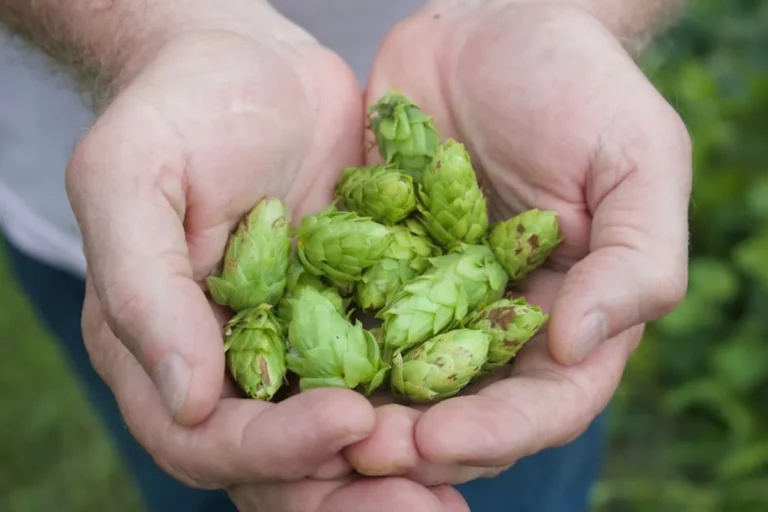
- Hop Character: The defining aromatic and bittering component comes from noble hops—Saaz for Czech Pilsners, and Hallertau, Tettnang, or Spalt for German varieties. These hops contribute floral, spicy, and sometimes grassy notes, providing a balanced bitterness that cleanses the palate.
- Yeast and Fermentation: As a lager, Pilsner undergoes a cold, slow fermentation with bottom-fermenting yeast. This process results in a clean fermentation profile, minimizing fruity esters or off-flavors, and contributing to the beer's crisp, refreshing finish.
- Water Profile: The mineral content of brewing water significantly influences a Pilsner's character. Classic Czech Pilsners benefit from soft water, which enhances the smooth malt profile and delicate hop bitterness. German Pilsners often use harder water, which can accentuate hop crispness.
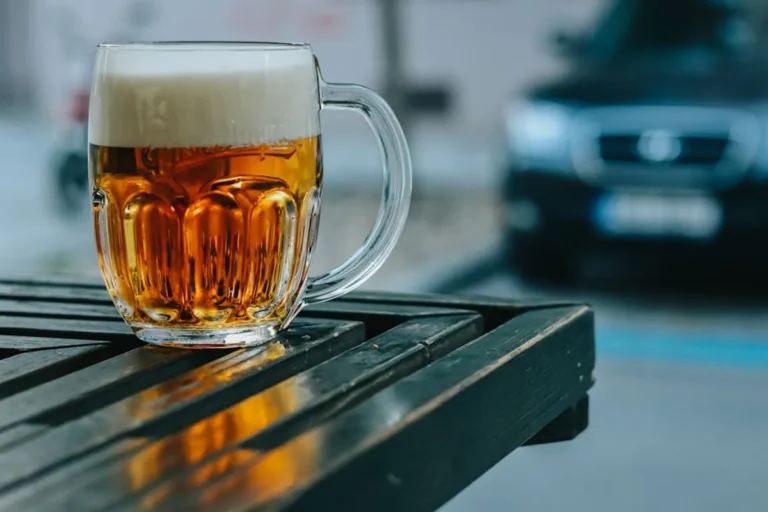
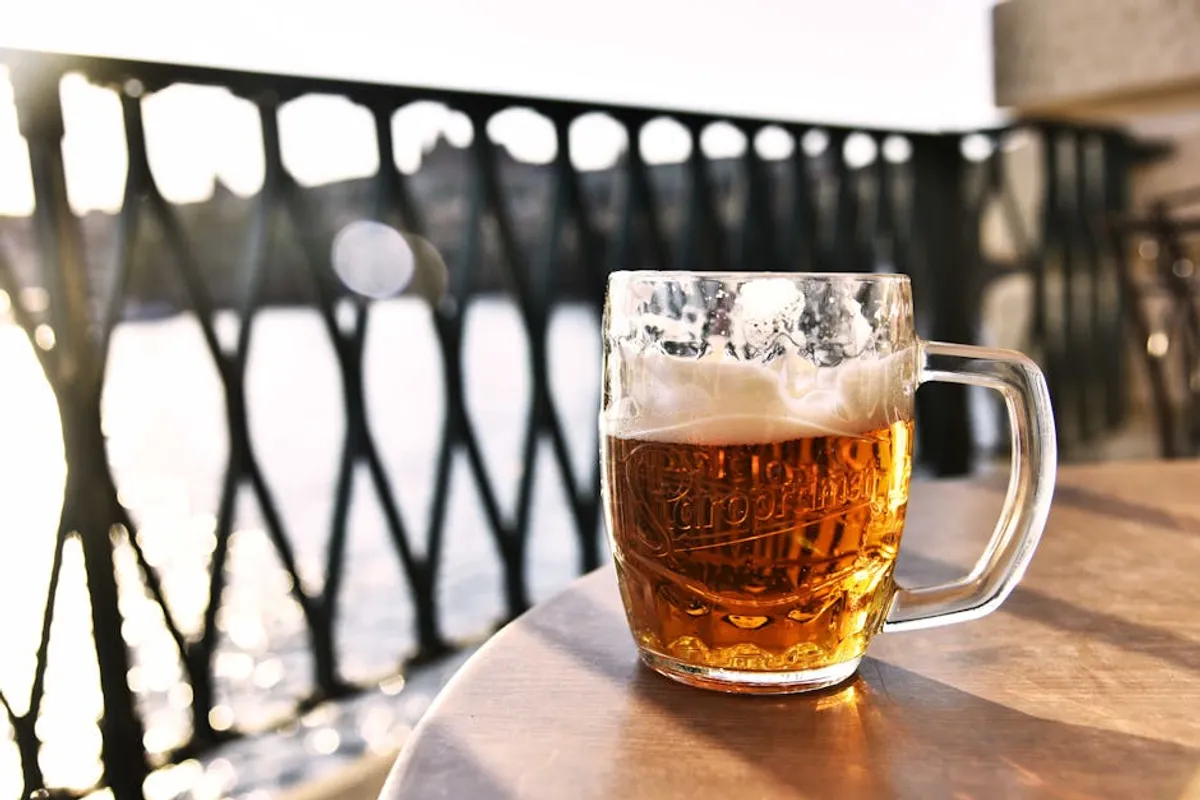
- Clarity and Color: A hallmark of the style is its brilliant clarity and effervescent, golden to straw-yellow color. This visual appeal is achieved through meticulous brewing processes, including lagering (cold conditioning) and often filtration.
- Bitterness (IBUs): Pilsners typically feature a moderate to high bitterness, ranging from 25 to 45 International Bitterness Units (IBUs). This bitterness is balanced by the malt sweetness and serves to provide a refreshing, dry finish.
1. Pilsner Urquell
Pilsner Urquell represents the original Bohemian Pilsner, first brewed in Plzeň, Czech Republic, in 1842. Its distinctive profile is characterized by a rich, bready malt backbone balanced by a pronounced, yet smooth, Saaz hop bitterness. The beer features a deep golden hue and a thick, creamy head, indicative of its traditional triple decoction mash and open fermentation. This results in a complex, full-bodied lager that remains exceptionally crisp and drinkable.
Best for: Traditionalists seeking the benchmark Pilsner experience; pairing with hearty European cuisine or as a standalone session beer.
Pros: Authenticity as the original Pilsner; complex malt and hop balance; widely distributed globally; consistent quality.
Cons: Flavor profile might be too robust for those accustomed to lighter, more attenuated lagers; often served too cold in some establishments, muting its nuances.
Verdict: An essential reference point for the style, offering a rich, satisfying experience that defines the category. Its widespread availability makes it a reliable choice for those seeking a classic, well-executed Pilsner.
2. Bitburger Premium Pils
Bitburger Premium Pils is a quintessential German Pilsner, originating from Bitburg, Germany. It embodies the drier, more hop-forward characteristics typical of the German interpretation. Brewed with local hops and soft water, it presents a brilliant straw-gold color with a clean, crisp aroma featuring subtle floral and grassy hop notes. The palate is characterized by a sharp, clean bitterness that quickly fades, leaving a refreshing, dry finish. It is often marketed with the slogan "Bitte ein Bit," emphasizing its distinct regional identity.
Best for: Consumers preferring a drier, crisper Pilsner; pairing with lighter fare such as salads, grilled chicken, or seafood.
Pros: Exceptional clarity and clean finish; prominent hop aroma and bitterness without being aggressive; widely available in European and North American markets.
Cons: Less malt complexity than Bohemian counterparts; some may find the bitterness too assertive if not served properly chilled.
Verdict: A reliable, high-quality German Pilsner offering a refreshing and palate-cleansing experience. Its consistent profile makes it a staple for those who appreciate a drier, hop-accented lager.
3. Jever Pilsener
Hailing from the Friesland region of Germany, Jever Pilsener stands out for its particularly dry and assertive hop character. Brewed with exceptionally soft water, it allows the Hallertau hops to express a distinct bitterness and a notably crisp, almost austere finish. The beer pours a pale golden color with a fine, persistent head. Its aroma is clean, with prominent herbal and spicy hop notes. The flavor emphasizes bitterness over malt sweetness, leading to an exceptionally refreshing and very dry aftertaste.
Best for: Enthusiasts of very dry, hop-forward lagers; hot weather refreshment; pairing with spicy foods or rich, fatty dishes that benefit from a palate cleanser.
Pros: Extremely clean and dry; pronounced hop bitterness provides excellent refreshment; distinctive regional style.
Cons: Bitterness might be too intense for some palates; less widely distributed than other German Pilsners in some international markets.
Verdict: A unique and uncompromising German Pilsner that excels in its dryness and hop intensity. It offers a bracing, clean experience for those who prioritize crispness and a firm bitter finish.
4. Victory Prima Pils
Victory Prima Pils is a pioneering American craft Pilsner from Downingtown, Pennsylvania, known for its bold, assertive hop character. It bridges the gap between traditional German Pilsners and American craft sensibilities by using a generous amount of whole flower German and Czech hops. The result is a vibrant, floral, and spicy aroma, followed by a firm, clean bitterness that is more pronounced than many European examples. Despite its hop intensity, it maintains a clean malt backbone and a crisp finish, making it highly drinkable.
Best for: Craft beer drinkers seeking a hop-forward Pilsner; pairing with American comfort food, grilled meats, or anything needing a robust, cleansing beer.
Pros: Excellent balance of assertive hop character and clean lager finish; consistent quality and widespread distribution within the US craft market; approachable for both traditionalists and hop enthusiasts.
Cons: Higher bitterness might deter those accustomed to milder lagers; price point is typically higher than mass-market options.
Verdict: A benchmark American craft Pilsner that successfully elevates the style with a pronounced, yet balanced, hop profile. It’s a compelling choice for those seeking a more adventurous take on the classic.
5. Firestone Walker Pivo Pils
Firestone Walker Pivo Pils, from Paso Robles, California, is a highly acclaimed American craft Pilsner that emphasizes a bright, aromatic hop profile. It incorporates German Saphir hops, contributing distinctive floral, lemon zest, and spicy notes to both the aroma and flavor. The beer pours a brilliant pale gold with a lively carbonation. Its malt base is exceptionally clean, providing a subtle sweetness that perfectly supports the expressive hop character. The finish is crisp, dry, and remarkably refreshing, showcasing precision brewing.
Best for: Craft beer aficionados seeking an aromatic, nuanced Pilsner; pairing with lighter dishes, sushi, or as a sophisticated standalone drink.
Pros: Outstanding aromatic complexity from Saphir hops; exceptional clarity and clean finish; widely available in the US craft beer market; consistent high quality.
Cons: Its delicate hop character might be overlooked by those expecting a more aggressive bitterness; premium price point.
Verdict: A beautifully crafted American Pilsner that highlights the aromatic potential of noble hops within a perfectly balanced, clean lager framework. It represents a refined approach to the style.
6. Trumer Pils
Trumer Pils is brewed in Berkeley, California, as an American iteration of the classic Austrian Trumer Pils from Salzburg. It adheres strictly to the Reinheitsgebot (German Purity Law), using only water, malt, hops, and yeast. This commitment results in an exceptionally clean, crisp, and balanced Pilsner. It features a bright golden color, a moderate hop bitterness from noble hops, and a subtle, bready malt sweetness. The finish is remarkably dry and refreshing, making it a highly sessionable beer.
Best for: Consumers seeking a meticulously brewed, traditional European-style Pilsner produced in the US; pairing with a wide range of foods due to its balanced profile.
Pros: Exceptional clarity and clean flavor; adherence to traditional brewing methods; consistent quality; good availability on the West Coast and increasingly elsewhere in the US.
Cons: Less distinctive hop character compared to some American craft Pilsners; may be perceived as less "exciting" by those seeking bolder flavors.
Verdict: An exemplary traditional Pilsner that delivers consistent quality and a refreshing, balanced profile. It’s a solid choice for those who appreciate precision and classic European lager characteristics.
7. Rothaus Tannenzäpfle Pils
Rothaus Tannenzäpfle Pils, from the Black Forest region of Germany, is a cult favorite known for its distinctive small "fir cone" bottle and exceptional quality. It represents a classic German Pilsner with a slightly softer, more rounded malt character than some drier regional styles, yet still maintains a clean, pronounced hop bitterness. The beer pours a brilliant golden color with a creamy white head. Its aroma is a delicate blend of floral hops and light biscuity malt. The palate offers a harmonious balance, leading to a crisp, refreshing finish.
Best for: Aficionados of refined German Pilsners; those seeking a balanced, elegant lager for social occasions or fine dining.
Pros: Superb balance and drinkability; iconic packaging; high perceived quality and brand loyalty; increasingly available internationally.
Cons: Can be difficult to find outside of specialist retailers in some markets; premium price point.
Verdict: A highly regarded German Pilsner that offers a superior drinking experience through its meticulous balance and refined character. Its reputation for quality is well-earned.
8. Sierra Nevada Summerfest
Sierra Nevada Summerfest is a seasonal American craft Pilsner, typically released during the warmer months, offering a bright and refreshing take on the style. While seasonal, its consistent annual release makes it a reliable choice. It features a lively hop aroma from traditional German hops, including Hallertau and Tettnang, contributing floral and spicy notes. The malt base is clean and light, allowing the hops to dominate the palate with a crisp bitterness that leads to a very dry, clean finish. It's designed for warm-weather enjoyment.
Best for: Seasonal enjoyment during spring and summer; pairing with outdoor grilling, picnics, or light summer meals.
Pros: Exceptionally refreshing and clean; vibrant hop aroma; widely available during its seasonal window; consistent quality from a reputable craft brewery.
Cons: Limited seasonal availability; flavor profile might be too light for those seeking a year-round, more robust Pilsner.
Verdict: An excellent seasonal offering that perfectly captures the essence of a refreshing, hop-forward Pilsner for warmer weather. Its consistent quality makes it a highly anticipated annual release.
9. Suarez Family Brewery Palatine Pils
Suarez Family Brewery, located in Livingston, New York, has garnered significant acclaim for its precise and elegant lagers, with Palatine Pils being a standout. This American craft Pilsner is a masterclass in subtlety and balance. It features a soft, refined malt bill that provides a delicate sweetness, perfectly complemented by noble hop aromatics and a gentle, lingering bitterness. The beer is exceptionally clean, brilliantly clear, and highly attenuated, resulting in a supremely drinkable and nuanced experience. Its limited distribution adds to its mystique.
Best for: Discerning craft beer enthusiasts seeking a highly refined, delicate, and expertly brewed Pilsner; special occasions or as a contemplative drinking experience.
Pros: Outstanding technical execution and balance; incredibly clean and smooth; highly sought after within the craft beer community.
Cons: Extremely limited distribution, making it challenging to acquire outside of the brewery's immediate region; often commands a premium price.
Verdict: A top-tier American craft Pilsner that exemplifies precision brewing and delicate balance. For those who can find it, it offers an unparalleled expression of the style's potential for elegance.
10. Notch Session Pils
Notch Brewing, based in Salem, Massachusetts, specializes in sessionable beers, and their Session Pils is a prime example of their commitment to lower-alcohol, flavorful lagers. This beer delivers a full Pilsner experience at a modest ABV, making it exceptionally drinkable. It features a clean, crisp malt profile and a noticeable, yet balanced, hop bitterness and aroma from German noble hops. The finish is dry and refreshing, encouraging repeat sips without any heaviness or compromise on flavor intensity.
Best for: Extended drinking sessions; designated drivers or those seeking a lower-alcohol option without sacrificing flavor; pairing with casual meals or social gatherings.
Pros: Excellent flavor retention at a lower ABV; highly sessionable and refreshing; strong regional presence in the Northeast US craft market.
Cons: Limited distribution outside of its core market; some may prefer a higher alcohol content for perceived body or intensity.
Verdict: A masterfully crafted session Pilsner that proves lower ABV does not mean less flavor. It's an ideal choice for prolonged enjoyment and maintaining clarity.
11. Von Trapp Bohemian Pilsner
Von Trapp Brewing, located in Stowe, Vermont, is known for its commitment to traditional Austrian and German lager brewing techniques. Their Bohemian Pilsner is a faithful rendition of the Czech style, characterized by a rich, bready malt character and a pronounced, yet smooth, Saaz hop profile. It pours a deep golden color with a dense, white head. The flavor offers a harmonious balance of sweet malt and spicy, floral hop notes, culminating in a clean, crisp finish with a lingering bitterness. It embodies robustness and drinkability.
Best for: Consumers seeking a rich, authentic Czech-style Pilsner from an American craft brewery; pairing with richer foods, stews, or roasted meats.
Pros: Authentic adherence to Bohemian style; excellent balance of malt and hops; consistent quality; good distribution in the Northeast US and beyond.
Cons: May be perceived as heavier than drier German Pilsners; less widely available nationally compared to larger craft breweries.
Verdict: A commendable American-brewed Bohemian Pilsner that delivers a rich, flavorful, and authentic experience. It’s a strong contender for those who appreciate the original style’s depth.
12. Czechvar (Budweiser Budvar)
Czechvar, known internationally as Budweiser Budvar, is the national brewery of the Czech Republic and represents another iconic Bohemian Pilsner. Brewed with local Moravian malt, Saaz hops, and soft artesian well water, it offers a distinctively rich and full-bodied profile. The beer presents a brilliant golden color with a dense head. Its aroma is characterized by a sweet, bready maltiness intertwined with floral and spicy notes from the Saaz hops. The taste is smooth, with a balanced bitterness and a clean, refreshing finish, often described as more rounded than Pilsner Urquell.
Best for: Those seeking a classic, full-flavored Czech Pilsner with a slightly softer bitterness than Pilsner Urquell; pairing with traditional Czech cuisine or rich, savory dishes.
Pros: Authentic Bohemian style; smooth, rich flavor profile; widely available globally; consistent high quality.
Cons: Can be confused with American Budweiser due to the name in some markets; flavor profile might be too malty for those preferring drier styles.
Verdict: A superb example of the Bohemian Pilsner, offering a rich, smooth, and highly drinkable experience. It stands as a testament to traditional Czech brewing excellence.
Optimizing Your Pilsner Selection and Enjoyment
Choosing the right Pilsner extends beyond identifying a preferred brand; it involves understanding how to select, store, and serve it to maximize its inherent qualities. Considerations for regional styles, serving temperature, appropriate glassware, and food pairing principles are crucial for a truly optimized experience.
- Regional Style Consideration: Differentiate between Czech (Bohemian) and German Pilsners. Czech varieties, like Pilsner Urquell and Czechvar, tend to be richer in malt character with a softer bitterness. German Pilsners, such as Bitburger or Jever, are typically drier, crisper, and more hop-assertive. American craft Pilsners often blend these traditions or introduce new hop varietals, offering a broader spectrum of flavors. Your preference for malt sweetness versus hop bitterness will guide your choice.
- Serving Temperature: Pilsners are best enjoyed chilled, but not ice-cold. An ideal serving temperature is between 45-50°F (7-10°C). Serving it too cold can mute the delicate hop aromatics and complex malt flavors, reducing the overall sensory experience. Allowing the beer to warm slightly after pouring can reveal more of its nuanced profile.
- Glassware: The right glass can significantly enhance the Pilsner experience. A tall, slender Pilsner glass is designed to showcase the beer's brilliant clarity, golden color, and effervescent carbonation. Its shape also helps to concentrate the head, trapping delicate hop aromas and allowing them to be fully appreciated with each sip.
- Food Pairing Principles: Pilsners are highly versatile with food. Their clean, crisp, and often bitter profile acts as an excellent palate cleanser.
- Czech Pilsners: Pair well with heartier dishes like roasted chicken, pork schnitzel, goulash, and rich cheeses, where their malt backbone can stand up to the food.
- German Pilsners: Their drier, crisper profile complements lighter fare such as grilled fish, salads, bratwurst, soft pretzels, and milder cheeses. The bitterness cuts through fatty or rich flavors effectively.
- American Craft Pilsners: Depending on their hop intensity, these can range from pairing with spicy Asian cuisine (for hop-forward versions) to classic American burgers and pizzas (for more balanced examples).
- Storage: Store Pilsners upright in a cool, dark place away from direct sunlight or fluctuating temperatures. Light can cause