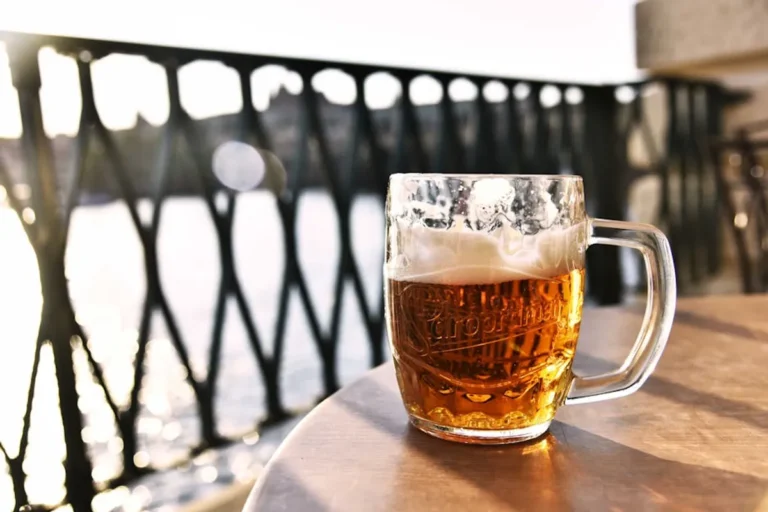
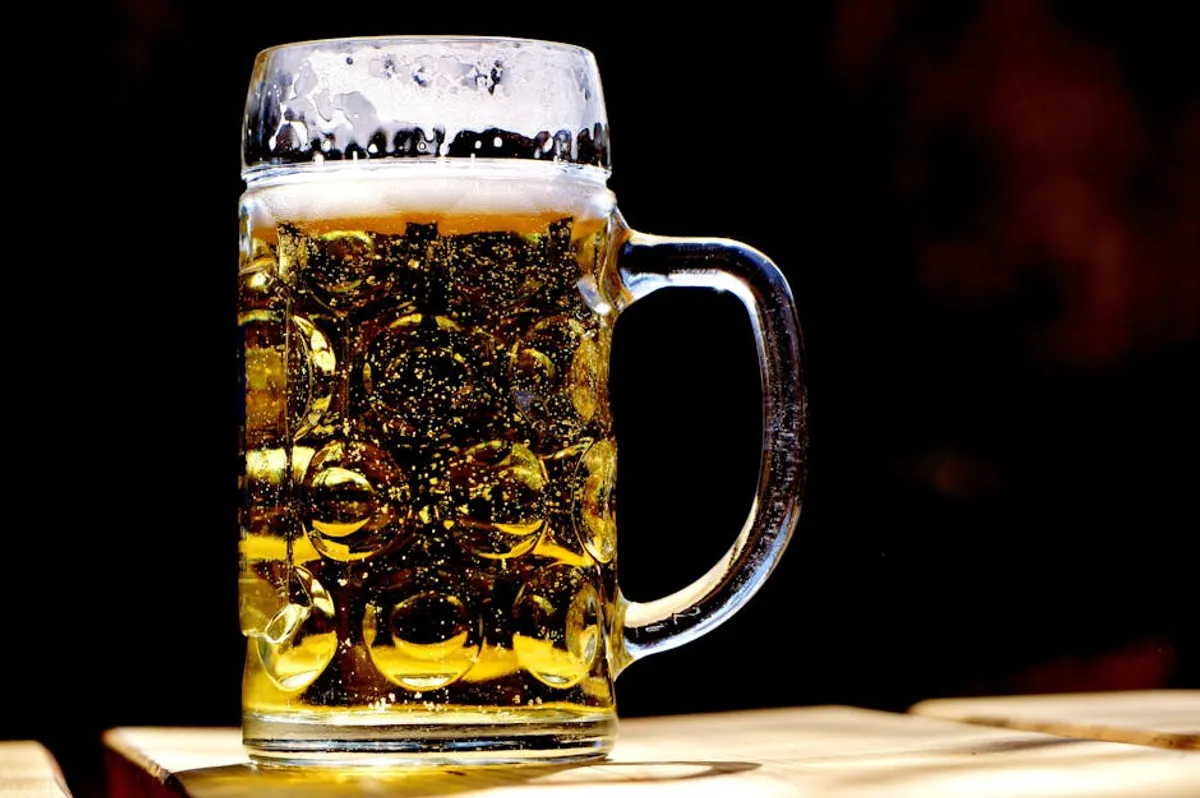
Pilsner beer stands as a foundational and widely recognized lager style, originating in Plzeň, Bohemia, in the mid-19th century. Its distinctive golden color, clear appearance, crisp finish, and balanced hop bitterness have made it a global benchmark for lagers. For content creators and marketers, understanding the nuances of Pilsner extends beyond its taste profile, encompassing typical market positioning, consumer access points, and purchasing considerations. This analysis provides a framework for comprehending Pilsner's commercial landscape, from how it appears on a "menu" to its "pricing" and the "hours" of its availability, culminating in insights on "what to order" within this specific beer category.
Understanding Pilsner Beer: Core Characteristics
Pilsner is defined by its clean, refreshing profile, a result of bottom-fermentation and lagering. Its character is primarily driven by specific malt and hop varieties, creating a consistent expectation among consumers. The original Pilsner Urquell set the standard, emphasizing soft water, Saaz hops, and a triple-decoction mash process, leading to a beer that was revolutionary for its clarity and golden hue.
Defining the Style: German vs. Czech Pilsner
While sharing a common ancestor, modern Pilsner styles have evolved with regional distinctions:
- Czech Pilsner (Bohemian Pilsner): Typically characterized by a richer, maltier backbone, often with a slightly sweeter profile and a more pronounced, spicy Saaz hop aroma and bitterness. It often presents a deep golden color and a thick, creamy head.
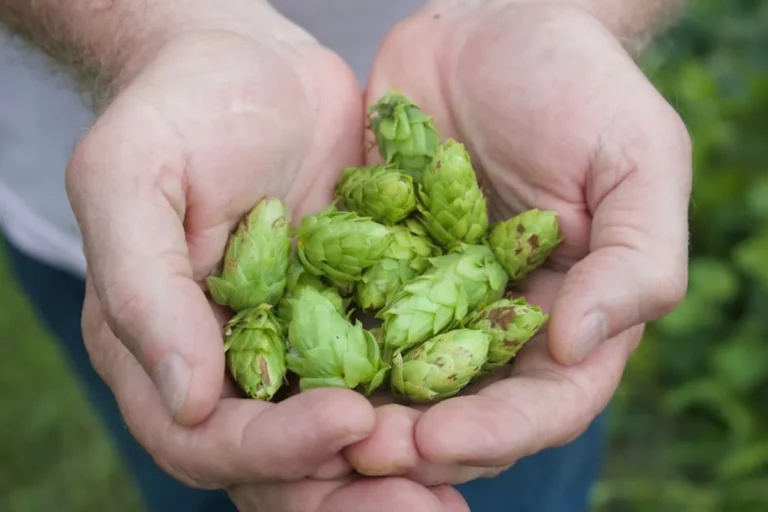
- German Pilsner (Pils): Tends to be drier, crisper, and more attenuated than its Czech counterpart. German Pilsners emphasize a sharper hop bitterness, often from noble German hops like Hallertau, Tettnanger, or Spalt, resulting in a cleaner, snappier finish. The malt character is more subdued, allowing the hops to take center stage.
Understanding these stylistic differences is crucial for accurate product description and managing consumer expectations, particularly in markets where both are available.
Key Flavor Profiles and Aroma Notes
Pilsner's sensory profile is a balance of malt and hop:
- Aroma: Expect clean, bready, or biscuit-like malt notes, complemented by floral, spicy, or herbal hop aromas, particularly from noble hops. Diacetyl (butterscotch) can be present in very low levels in some Czech examples but is generally considered a fault in German versions.
- Flavor: The taste mirrors the aroma, with a firm, balanced bitterness that cleanses the palate. Malt sweetness is present but not cloying, leading to a dry, crisp finish.
- Mouthfeel: Light to medium body, high carbonation, and a smooth texture contribute to its refreshing quality.
These consistent characteristics form the basis for consumer recognition and loyalty within the Pilsner category.
Navigating Pilsner Offerings: Menu Structures and Availability
When Pilsner appears on a menu, its presentation reflects the establishment's focus and the product's origin. Offerings typically range from globally recognized brands to local craft interpretations.
Common Pilsner Menu Classifications
Menus often categorize Pilsners in ways that guide consumer choice:
- Global Brands: Large-scale, widely distributed Pilsners (e.g., Pilsner Urquell, Heineken, Stella Artois) are often listed simply by name, relying on brand recognition.
- Craft/Local Pilsners: Many craft breweries produce their own versions, often emphasizing traditional methods or unique hop combinations. These are typically listed with the brewery name, beer name, and sometimes a brief description of its specific characteristics (e.g., "Dry-hopped German Pils," "Bohemian-style Lager").
- Draft vs. Packaged: Availability on tap (draft) often signals freshness and a premium experience, while packaged options (bottles, cans) offer convenience and wider distribution. Menus will typically differentiate these.
Factors Influencing Availability and Selection
The selection of Pilsners available is influenced by several commercial factors:
- Distribution Networks: Larger brands benefit from extensive distribution, ensuring widespread availability. Craft Pilsners often have more limited, regional distribution.
- Seasonal Rotations: While Pilsner is a year-round style, some craft breweries may offer seasonal variations or special releases.
- Venue Type: A dive bar might offer one standard Pilsner, while a craft beer bar or specialized restaurant will feature a curated selection, including imports and local craft options.
Pricing Tiers for Pilsner: Value and Premium Considerations
Pilsner pricing is influenced by factors similar to other alcoholic beverages: brand equity, production cost, import status, and venue type.
Typical Price Ranges by Venue Type
- Grocery/Retail:
Entry-level: $8-12 for a 6-pack of mass-market brands.
Craft/Import: $10-18 for a 4- or 6-pack of craft or specialty imported Pilsners.
- Bars/Restaurants:
Standard Draft: $6-9 per pint for domestic or widely distributed brands.
Premium/Craft Draft: $8-12 per pint for imported or craft-specific Pilsners.
Packaged: Bottles/cans typically range from $7-15, depending on size and brand.
- High-End Establishments: Prices can be significantly higher, reflecting the curated selection, service, and ambiance, potentially reaching $15+ per serving.
Cost Drivers: Ingredients, Crafting, and Branding
Several elements contribute to the final price point:
- Ingredient Sourcing: Use of specific, often imported, noble hops (e.g., Saaz, Hallertau) and high-quality malt can increase production costs.
- Brewing Process: The lagering process itself requires significant time and controlled conditions, adding to overhead. Traditional methods like triple decoction are labor-intensive.
- Importation & Distribution: Shipping, tariffs, and complex distribution networks for international brands add substantial costs.
- Brand Perception: Established brands with a long history or craft breweries with a reputation for quality can command higher prices.
Operational Hours for Pilsner Service
Pilsner beer, as a consumable product, is subject to the operational hours of the establishments that serve it, rather than having "hours" itself. These hours are dictated by local regulations, business models, and consumer demand.
General Operating Models for Beer-Serving Establishments
Establishments serving Pilsner operate within a spectrum of hours:
- Retail Stores (Grocery, Liquor Stores): Typically open from early morning (e.g., 8 AM-10 AM) to late evening (e.g., 9 PM-11 PM), with Sunday hours often restricted by local laws.
- Bars/Pubs: Generally open from late morning or early afternoon (e.g., 11 AM-2 PM) until late night (e.g., 1 AM-3 AM), with extended hours on weekends in some regions.
- Restaurants: Hours align with meal services (lunch, dinner), often opening around 11 AM and closing by 10 PM-12 AM.
- Breweries/Taprooms: Often have specific tasting room hours, typically from mid-afternoon (e.g., 3 PM) to late evening (e.g., 9 PM-10 PM), with earlier openings on weekends.
Impact of Local Regulations and Demand
Local alcohol laws significantly influence these hours, including:
- Last Call: The legal time by which alcohol can be served.
- Sunday Sales: Restrictions on sales or different operating hours on Sundays.
- Holiday Restrictions: Specific holidays may have altered or prohibited alcohol sales.
Consumer demand also plays a role; establishments in high-traffic areas or those catering to late-night crowds may extend hours where permitted.
Strategic Ordering: Selecting the Right Pilsner
Choosing a Pilsner involves considering personal preference, the occasion, and potential food pairings. The "best" Pilsner is subjective, but informed selection enhances the experience.
Matching Pilsner to Occasion and Palate
- For a Crisp, Dry Experience: A German Pilsner is ideal for those who prefer a sharper hop bitterness and a very clean finish.
Best for: Refreshment on a warm day, pre-dinner aperitif.
- For a Richer, Maltier Profile: A Czech Pilsner offers a more rounded malt character with a spicy hop presence.
Best for: Pairing with heartier foods, savoring slowly.
- For Sessionability: Most Pilsners are designed for easy drinking due to their moderate alcohol content (typically 4.5-5.5% ABV) and refreshing character.
Best for: Extended social gatherings, casual enjoyment.
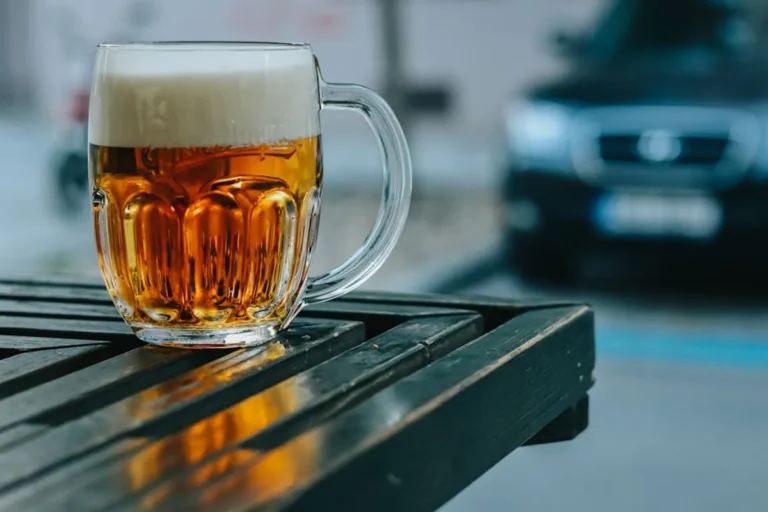
Pro Tip: When evaluating a Pilsner, pay attention to its clarity and head retention. A well-crafted Pilsner should be brilliantly clear with a dense, persistent white head, indicating proper brewing and serving conditions. A hazy appearance or quickly dissipating head can suggest issues with filtration, freshness, or serving temperature.
Pairing Considerations
Pilsner's versatility makes it an excellent pairing beer:
- Light & Crisp Pilsners: Complement lighter fare such as salads, grilled chicken, sushi, or delicate seafood. The carbonation and bitterness cut through richness without overpowering subtle flavors.
- Maltier Czech Pilsners: Stand up well to more robust dishes like roasted chicken, pork, sausages, and classic pub fare. The malt backbone can complement savory flavors, while the hops provide a refreshing counterpoint.
- Spicy Food: The clean, crisp nature of Pilsner can be a palate cleanser for moderately spicy dishes, offering refreshment between bites.
Optimizing Pilsner Content for User Intent
Understanding the distinct categories of Pilsner, their commercial positioning, and consumption patterns allows for targeted content creation. Whether detailing specific brand offerings, comparing regional styles, or providing guidance on pairings, content should address clear user intent. Emphasizing characteristics like "crisp," "clean," "hoppy," or "malty" helps users quickly identify their preference. Structuring information around "menu" options, "price" expectations, and "availability" (hours) directly addresses common commercial queries, ensuring the content remains useful and actionable for consumers seeking specific Pilsner experiences.
Frequently Asked Questions About Pilsner Beer
What is the primary difference between a lager and a Pilsner?
A Pilsner is a specific type of lager. All Pilsners are lagers, but not all lagers are Pilsners. Lagers are a broader category of beers fermented with bottom-fermenting yeast at cooler temperatures, while Pilsners are a distinct style within that category, characterized by their golden color, crispness, and prominent hop character.
Are all Pilsners light-colored?
Yes, Pilsners are typically golden to pale straw in color, known for their brilliant clarity. This light color is a defining characteristic of the style, differentiating them from darker lagers or ales.
What is the ideal serving temperature for a Pilsner?
Pilsners are best served chilled, typically between 40-45°F (4-7°C). This temperature range allows the crispness and hop aromas to shine without being dulled by excessive cold or becoming too warm and losing their refreshing quality.
Why is Pilsner so popular globally?
Pilsner's global popularity stems from its highly refreshing, approachable, and balanced profile. Its crispness, moderate bitterness, and clean finish make it widely appealing to a broad range of palates, serving as a benchmark for what many consumers expect from a "beer."