Selecting a Pilsner beer involves more than simply choosing a brand; it’s about understanding distinct regional styles, flavor profiles, and availability that influence the drinking experience. Whether you seek the crisp bitterness of a classic Czech original, the dry finish of a German interpretation, or the nuanced approach of a craft brewery, knowing what defines each option helps in making an informed purchase. This guide details prominent Pilsner brands, their typical characteristics, general pricing expectations, and advice on how to best enjoy them, ensuring your selection aligns with your preferences and the occasion.
Defining the Pilsner Style: Key Characteristics
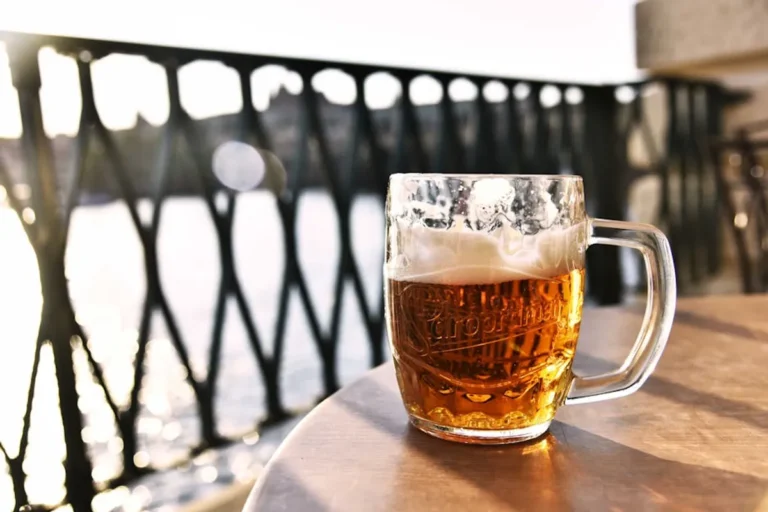
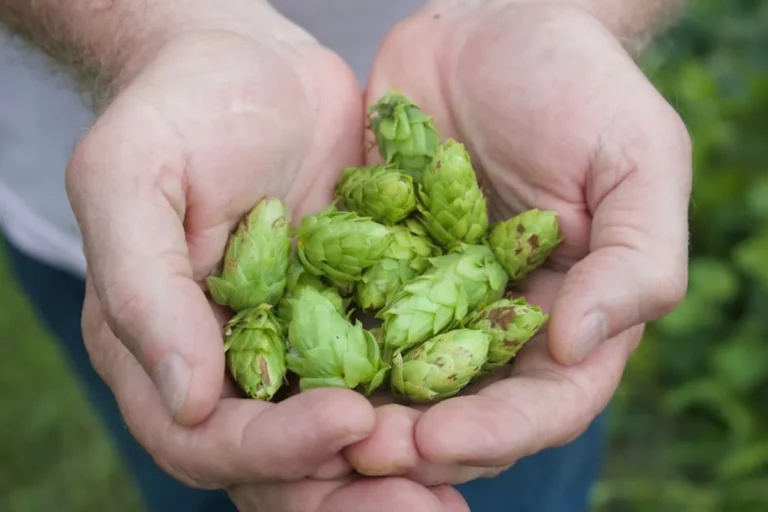
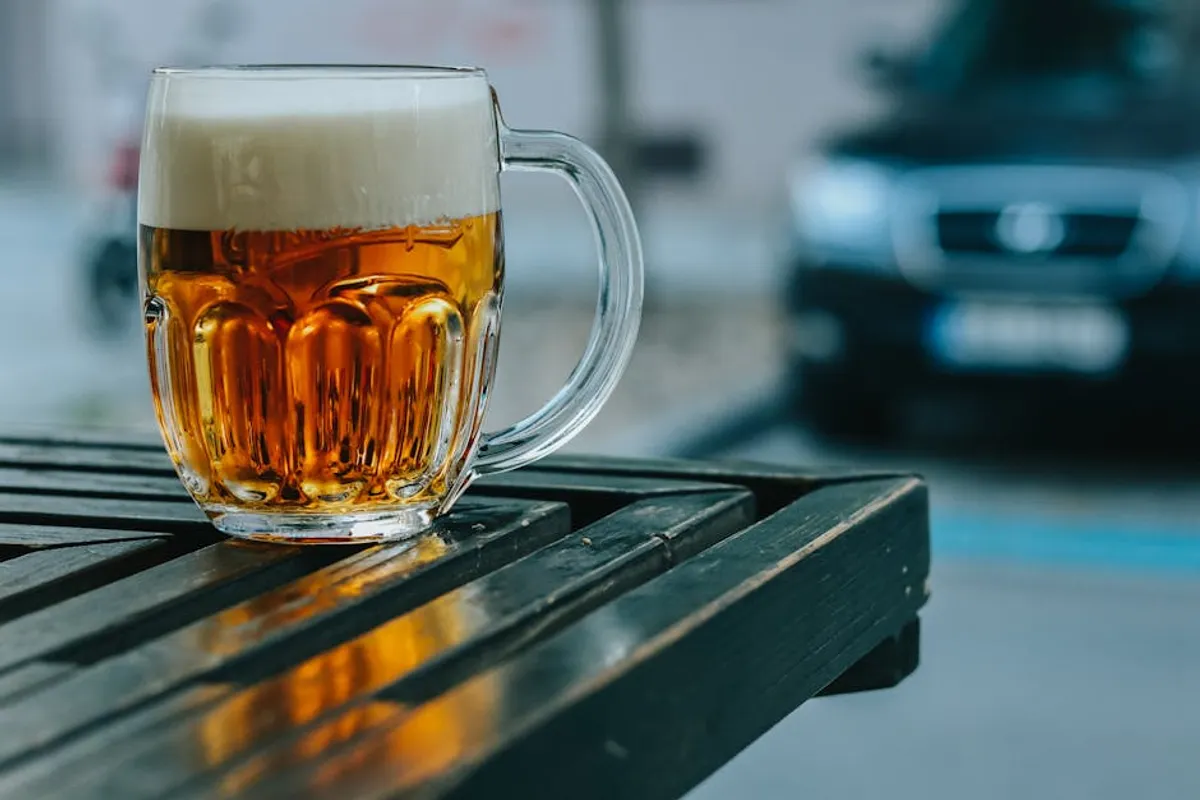
A true Pilsner is a type of pale lager, originating from Pilsen, Bohemia (now Czech Republic) in 1842. Its defining features include a pale to golden color, brilliant clarity, and a prominent hop aroma and bitterness, typically from Saaz hops. The style is known for its clean, crisp finish, often with a bready or biscuity malt character that supports the hop profile without overwhelming it. Alcohol content generally ranges from 4.5% to 5.5% ABV. Variations exist, primarily between the original Czech style and the drier, often more bitter German interpretation, along with modern craft adaptations.
Prominent Pilsner Beer Brands and Their Profiles
Understanding the nuances between leading Pilsner brands helps differentiate your selection. Each offers a unique take on the classic style, influenced by ingredients, brewing techniques, and regional traditions.
Pilsner Urquell: The Original Czech Standard
Pilsner Urquell, first brewed in 1842, established the entire Pilsner category. Its profile is characterized by a rich, caramel-malt sweetness balanced by a distinct, spicy bitterness from Saaz hops. The beer features a dense, creamy head and a deep golden color. It offers a fuller body compared to many German Pilsners, with notes of fresh bread and a clean, refreshing finish. It is often considered the benchmark for the style.
- Flavor Profile: Balanced malt sweetness, prominent Saaz hop bitterness, bready notes, clean finish.
- Availability: Widely available globally in bottles, cans, and on draft.
- Typical Price Point: Mid-range for imports, often slightly higher than domestic lagers.
Budweiser Budvar (Czechvar in North America): The Other Czech Icon
Also originating from the Czech Republic, Budweiser Budvar (known as Czechvar in markets where the "Budweiser" name is contested) presents a slightly different take. It is often perceived as lighter in body and color than Pilsner Urquell, with a more floral hop aroma and a softer, less assertive bitterness. Its clean, crisp character and delicate malt backbone make it highly sessionable.
- Flavor Profile: Lighter malt, floral hop aroma, moderate bitterness, very clean and crisp.
- Availability: Widely distributed, though sometimes less common than Urquell in certain markets.
- Typical Price Point: Similar to Pilsner Urquell, mid-range for imports.
Bitburger Premium Pils: The German Standard
Hailing from Germany, Bitburger exemplifies the German Pilsner style. This interpretation typically features a drier finish and a more pronounced, often sharper, hop bitterness compared to its Czech counterparts. The malt character is cleaner and less sweet, allowing the noble hop bitterness to take center stage. It pours a brilliant pale gold with a firm, white head.
- Flavor Profile: Dry, crisp, assertive hop bitterness, clean malt profile, refreshing finish.
- Availability: Broad international distribution, common in European and North American markets.
- Typical Price Point: Mid-range for imports.
Stella Artois: The Belgian-Style Pilsner
Marketed as a "Belgian-style Pilsner," Stella Artois offers a slightly sweeter and less bitter profile than traditional Czech or German Pilsners. It maintains a crisp character but often features a hint of fruity esters and a clean, refreshing finish. Its widespread availability and consistent branding have made it a globally recognized lager, though its adherence to strict Pilsner style guides is sometimes debated among purists.
- Flavor Profile: Slightly sweet, moderate bitterness, clean, subtle fruit notes.
- Availability: Extremely wide global distribution, found in almost all markets.
- Typical Price Point: Mid-range, often positioned as a premium mass-market lager.
Heineken: The Dutch Pale Lager
While often grouped with Pilsners due to its pale lager characteristics and global presence, Heineken is technically a European Pale Lager. It features a clean, slightly fruity aroma with a balanced bitterness and a crisp finish. It’s less hop-forward than a traditional Pilsner, offering a more universally appealing, approachable flavor profile that has contributed to its immense popularity.
- Flavor Profile: Clean, balanced, subtle fruitiness, moderate bitterness, crisp.
- Availability: One of the most widely available beers globally.
- Typical Price Point: Standard mass-market lager pricing, generally accessible.
Craft Pilsners: Local Interpretations
Many craft breweries globally now produce their own versions of Pilsners, often experimenting with hop varieties beyond traditional Saaz or Hallertau. These can range from classic, faithful interpretations to "hoppy Pilsners" with more aromatic or tropical hop notes. Craft Pilsners often prioritize freshness and local ingredients, providing a diverse range of options for consumers.
- Flavor Profile: Highly variable, from traditional to modern hop-forward, often very fresh.
- Availability: Primarily regional, found at breweries, local bars, and specialty stores.
- Typical Price Point: Generally higher than mass-market imports, reflecting craft brewing costs.
Understanding Availability and Ordering Options
When considering Pilsner brands, "menu" and "what to order" refer to the selection available and how best to enjoy them. This includes format, serving temperature, and food pairings.
Serving Formats and Freshness
Pilsners are enjoyed in various formats: draft, bottles, and cans. Draft beer often provides the freshest experience, especially if the lines are well-maintained. Bottles and cans offer convenience and portability. For optimal flavor, always prioritize freshness; check "best by" dates when purchasing packaged beer.
Pro Tip: Always serve Pilsners chilled, ideally between 40-45°F (4-7°C). Overly cold beer can mute delicate hop aromas, while too warm can emphasize unwanted sweetness or off-flavors. Pour into a clean, tall glass to appreciate the color, clarity, and head retention.
Food Pairings for Pilsners
The crisp, clean profile and moderate bitterness of Pilsners make them incredibly versatile with food. They cut through richness and complement lighter fare:
- Czech Pilsners (Urquell, Budvar): Excellent with roasted chicken, pork schnitzel, spicy sausages, and hearty stews. The malt sweetness can stand up to richer flavors.
- German Pilsners (Bitburger): Ideal with lighter meats like grilled fish, salads, soft cheeses, and traditional German pretzels. The dry finish cleanses the palate effectively.
- Belgian-style/Pale Lagers (Stella, Heineken): Pair well with fried foods, pizza, burgers, and light appetizers. Their balanced profile makes them broadly adaptable.
- Craft Pilsners: Depending on the hop profile, these can range from pairing with classic pub fare to more adventurous combinations with Asian cuisine or seafood, especially if they have brighter hop notes.
General Pricing and Where to Find Them
Pilsner prices vary significantly based on brand, origin, and market. Mass-market domestic lagers are typically the most economical. Imported Pilsners, like those from Germany or the Czech Republic, usually fall into a mid-range premium category due to import costs and brand positioning. Craft Pilsners, especially from smaller local breweries, can be at the higher end of the spectrum, reflecting production scale and ingredient costs.
Availability ("Hours"): Major international brands (Pilsner Urquell, Bitburger, Stella Artois, Heineken) are generally available at most grocery stores, liquor stores, convenience stores, bars, and restaurants during their standard operating hours. Craft Pilsners are best sought at specialty beer stores, local breweries, or bars that focus on craft selections. Online retailers and delivery services also provide access to a wide range of brands, often with varying delivery windows.
Making Your Pilsner Selection
When choosing a Pilsner, consider your preference for bitterness, malt character, and the occasion. If you prefer a rich, bready sweetness with pronounced hop spice, a Czech Pilsner is suitable. For a drier, crisper, and more assertively bitter experience, a German Pilsner fits. If broad appeal and consistent refreshment are priorities, a widely distributed pale lager or Belgian-style Pilsner might be the choice. Exploring local craft options can also yield fresh, unique interpretations of the style.
Frequently Asked Questions About Pilsner Beers
What is the main difference between a Czech and a German Pilsner?
Czech Pilsners typically feature a richer, bready malt character and a more rounded, spicy hop bitterness. German Pilsners tend to be drier, lighter in body, and exhibit a crisper, more assertive hop bitterness with a cleaner finish.
Are all light-colored lagers considered Pilsners?
No. While all Pilsners are pale lagers, not all pale lagers are Pilsners. Many pale lagers, such as American light lagers or some European pale lagers, have a much milder hop profile and often a less complex malt bill than a traditional Pilsner.
How does serving temperature affect a Pilsner's taste?
Serving a Pilsner too cold (below 40°F/4°C) can suppress its aromatic hop notes and subtle malt complexities, making it taste blander. Serving it too warm (above 50°F/10°C) can emphasize unwanted sweetness or alcohol notes, detracting from its crisp, refreshing character.
What makes a Pilsner "crisp" and "clean"?
The crispness and cleanliness in a Pilsner come from several factors: the use of lager yeast fermented at cooler temperatures, which produces fewer fruity esters; a specific water profile; and a cold conditioning period (lagering) that mellows flavors and clarifies the beer. The balanced interplay of malt and hops also contributes to a refreshing, unburdened finish.